
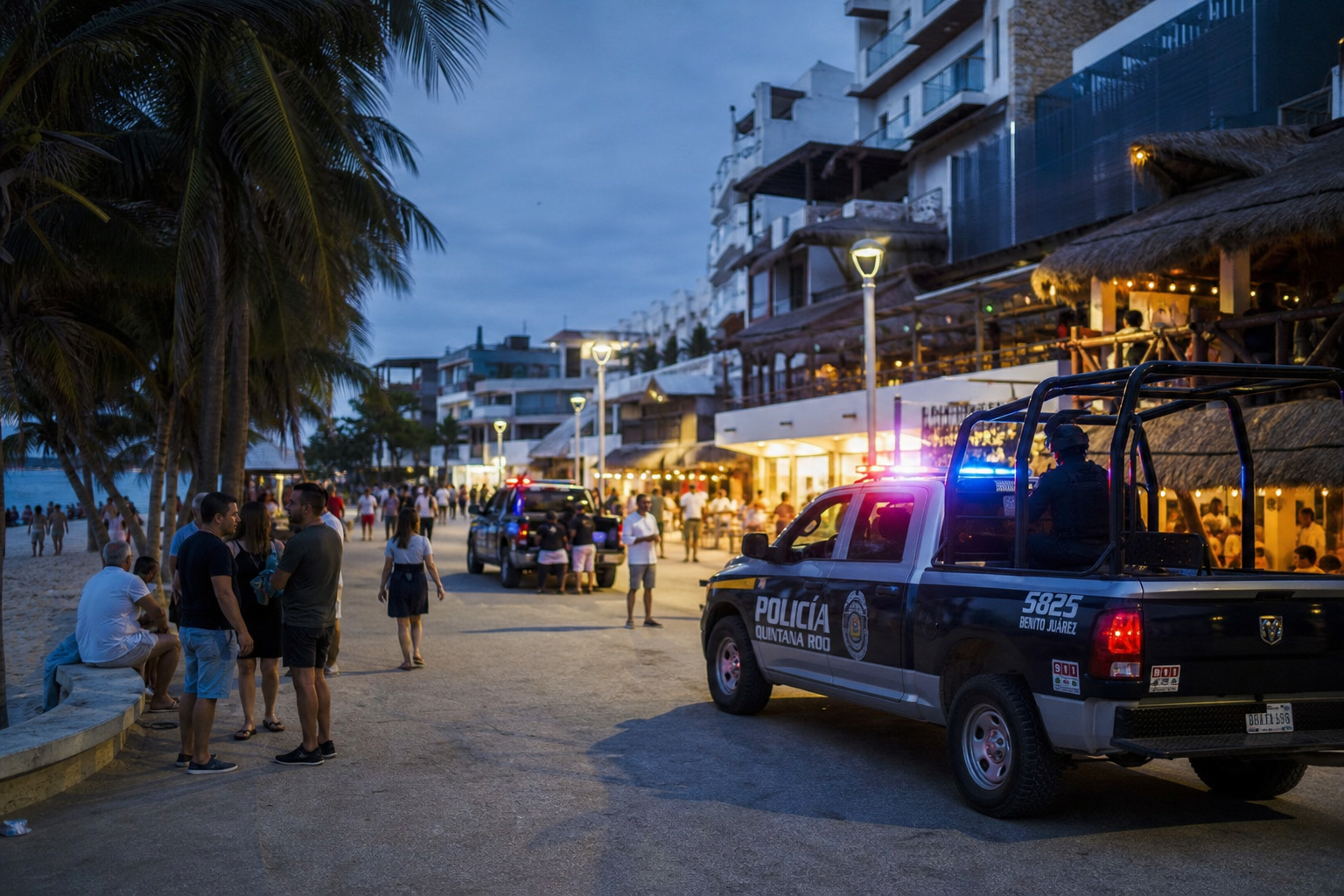
For many Americans, international travel is still sold as a simple consumer experience: book the flight, reserve the hotel, and assume the rest will take care of itself. But recent travel advisories and a steady stream of crime reports from popular tourist destinations have forced a more serious question into view. What, exactly, does the U.S. government owe its citizens abroad, and what obligations do travelers owe themselves?
The answer begins with a basic distinction. A travel advisory is not a travel ban. The State Department’s advisory system is meant to inform Americans about conditions in foreign countries, including violent crime, kidnapping, civil unrest, health risks, and weak local law enforcement capacity. It is a warning system, not a command. But warnings matter, especially when they concern destinations heavily marketed to U.S. tourists as carefree escapes.
That gap between marketing and reality is where the problem lies. In parts of Mexico, the Caribbean, and Central America, resort zones often sit uneasily beside areas with serious public security problems. Tourists may not be the primary targets of organized criminal groups, but they are not immune from robbery, assault, carjacking, sexual violence, or being caught in the wrong place at the wrong time. Even when major resort areas remain comparatively secure, the route from airport to hotel, the off-property excursion, or the late-night trip into town can present risks that many Americans underestimate.
What Travel Advisories Can and Cannot Do
The State Department’s advisory levels have become more visible in recent years, but they are still often misunderstood. The advisories are broad country-level or region-level assessments based on available information. They can tell Americans to exercise normal precautions, increased caution, reconsider travel, or not travel at all. What they cannot do is guarantee safety or offer precise, real-time protection once a traveler arrives.
That is not a criticism of the system so much as a recognition of its limits. American consular officials can assist citizens who lose passports, need emergency contacts, or face legal trouble overseas. They cannot patrol foreign streets, override local police, or extract every traveler from a bad decision. Washington’s practical reach abroad is substantial, but it is not unlimited. In an age when many Americans assume government can solve every problem, travel is one domain that quickly reminds us otherwise.
That reality argues for modesty and seriousness. Government should provide timely, clear, public-facing information. It should not pretend that an advisory alone substitutes for judgment, preparation, or common sense.
The Policy Failure Is Often Local, but the Consequences Are American
When violent crime rises in a tourist destination, the immediate failure is usually local. It may reflect corruption, underfunded policing, weak courts, gang control, or simple state incapacity. Those are problems sovereign nations must address themselves. The United States cannot run the internal security systems of every country its citizens visit, nor should it try.
Still, the consequences do not stay neatly within national borders. Tourism-dependent economies rely heavily on American visitors and American dollars. When travelers begin to doubt that local authorities can provide basic order, that loss of confidence carries economic and diplomatic implications. It can affect bilateral relations, insurance markets, airline and cruise patterns, and the willingness of families to travel abroad at all.
There is also a broader cultural point here. For decades, much of the Western world has taken for granted that global mobility is normal, cheap, and largely safe. That assumption was always somewhat fragile. Public order is not automatic. It depends on institutions that can enforce rules, punish violent offenders, and maintain a visible state presence where ordinary people gather. Conservatives tend to understand this instinctively: freedom of movement depends on order. Tourism is no exception.
What the U.S. Government Should Do Better
A measured response does not require alarmism. It requires competence.
First, the State Department should continue improving the clarity and specificity of its advisories. Countrywide labels can obscure important regional differences. Americans benefit when warnings explain whether the risks are concentrated in certain cities, highways, nightlife districts, or border regions. Detail is not panic; it is useful public information.
Second, federal agencies should make traveler communication easier to access and harder to ignore. Too many citizens first encounter official guidance only after a crisis. Enrollment systems, embassy alerts, and pre-departure notices should be simple, mobile-friendly, and prominently pushed through the channels travelers already use.
Third, the United States should be candid with partner countries: if they want the economic benefits of American tourism, they must take public safety seriously. That means professional policing, anti-corruption efforts, and visible security in major visitor areas without drifting into the theater of militarized intimidation. Stable allies should not resent this message. They should welcome it.
Fourth, Congress and the executive branch should resist the temptation to treat every overseas criminal incident as a reason for sweeping new federal promises. The right goal is not to create the illusion that Washington can manage personal risk everywhere on earth. The right goal is to give citizens accurate information and maintain capable consular services grounded in realism.
What Travelers Owe Themselves
There is an unfashionable but necessary point to make: personal responsibility still matters. Americans traveling abroad should act less like consumers purchasing an experience and more like adults entering another country with its own laws, dangers, and constraints.
- Read the State Department advisory before booking and again before departure.
- Register travel plans with the nearest U.S. embassy or through available traveler enrollment tools when appropriate.
- Use vetted transportation arranged through hotels, airports, or reputable services rather than informal street options.
- Limit risky excursions into unfamiliar areas, especially at night.
- Maintain copies of documents and know how to contact local authorities and the nearest U.S. consulate.
- Exercise ordinary caution with alcohol, cash, jewelry, and social media posting that advertises location in real time.
None of this is glamorous. But then, neither is replacing a stolen passport or navigating a foreign criminal justice system after an assault or robbery.
A Test of Serious Government
There is a tendency in modern politics to turn every warning into either complacency or melodrama. One side says the risks are overblown and not to worry. The other treats every incident as proof of systemic collapse. Neither response is especially useful.
The better approach is the old-fashioned one: tell the truth, respect limits, and insist on responsibility at every level. Foreign governments are responsible for maintaining order within their borders. The U.S. government is responsible for giving its citizens honest guidance and competent consular support. And American travelers are responsible for taking those warnings seriously.
That may sound almost too obvious to say. But in a culture accustomed to convenience, obvious truths often need repeating. Safe travel, like safe streets at home, rests on institutions strong enough to preserve order and citizens prudent enough not to assume it will preserve itself.
