
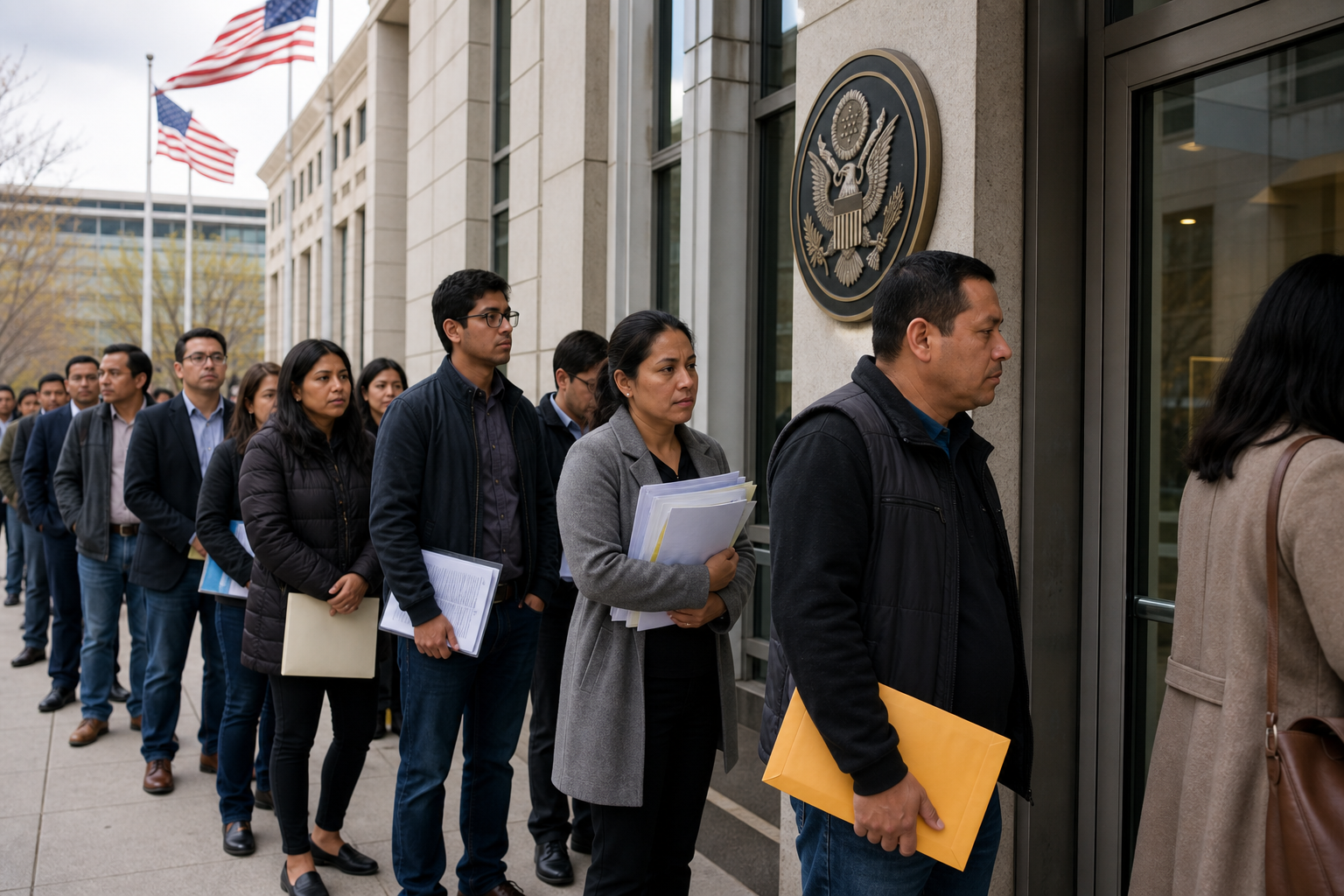
Temporary Protected Status, or TPS, was created by Congress in 1990 for a limited and humane purpose. The idea was straightforward: when war, natural disaster, or other extraordinary conditions make it unsafe for nationals of a particular country to return home, the United States may allow those already here to remain and work for a defined period. In principle, that is a reasonable use of executive discretion inside a statutory framework.
The controversy begins when a temporary program stops functioning as temporary. Over the last several years, and especially under Democratic administrations, TPS has increasingly been used not simply as an emergency measure, but as a broad tool of immigration management. That shift has had real consequences for migration numbers, work authorization, and the public's trust that immigration law is being administered as written rather than politically improvised.
What TPS Is Supposed to Do
Under federal law, the executive branch can designate a country for TPS when conditions there prevent safe return. Individuals from that country who are already in the United States and meet the eligibility requirements may receive protection from removal and authorization to work for a limited period. Congress did not design TPS as a backdoor to permanent residency, nor as a general solution to weaknesses in the asylum system or broader immigration enforcement.
That distinction matters. A constitutional system depends on maintaining the line between legislative power and executive administration. Congress writes immigration law. The executive carries it out. The more presidents of either party stretch temporary statutes into long-term population policy, the more they invite public cynicism and weaken democratic accountability.
How the Program Grew Beyond Its Original Purpose
The basic criticism from the right is not that humanitarian relief is illegitimate. It is that Democratic administrations, facing political pressure from activist groups and practical pressure from high levels of unlawful migration, have treated TPS as a flexible instrument for admitting or shielding large populations that Congress never explicitly voted to place on a permanent footing.
That criticism did not arise from nowhere. TPS designations can be renewed repeatedly, and in practice many have lasted for years, even decades. Some countries have remained under TPS protection through multiple administrations. In recent years, the Biden administration also expanded or redesignated TPS for several countries, increasing the number of foreign nationals eligible for temporary protection and work permits.
Supporters argue that these decisions reflected genuine instability abroad. In some cases, that is plainly true. Haiti, Venezuela, Ukraine, and other nations have faced severe crises. But a prudent immigration system asks two questions at once: are conditions abroad serious enough to justify temporary relief, and is the executive using that relief in a way consistent with the law's limited purpose? Those are not hostile questions. They are the questions responsible self-government requires.
The Work Permit Incentive
One reason TPS has become so politically significant is that it does more than pause removal. It opens access to legal work authorization. For many migrants, that is the difference between living in the shadows and entering the formal labor market. For employers, it expands the available workforce. For elected officials, it offers a relatively quick way to provide a form of legal presence without securing a new immigration bill from Congress.
That may be administratively convenient, but convenience is not the same as sound policy. A government that repeatedly uses temporary relief to regularize large populations creates a strong incentive for future migration. Even if TPS technically applies only to those already present by a certain date, migrants and smugglers do not always parse legal fine print. What they see is a pattern: once enough people arrive from a troubled country, American politics may eventually find a way to let many remain and work.
This is one reason the border debate cannot be separated from interior policy. Enforcement at the border matters. So do the legal signals sent after arrival.
Temporary in Name, Semi-Permanent in Practice
The deepest problem with TPS is institutional. A temporary status that is routinely renewed ceases to be temporary in any meaningful civic sense, yet it never becomes stable enough to count as honest permanency either. That leaves everyone in limbo. Migrants build lives around a status that can be extended, narrowed, or litigated. Employers make long-term plans around short-term authorizations. Communities are told a measure is emergency relief even when it begins to function as a standing policy.
This is not fair to the American public, and it is not especially fair to the migrants themselves. A serious country should be capable of saying one of two things clearly: either a population may stay under rules enacted by Congress, or it may not. The middle ground of indefinite temporariness is politically tempting because it avoids a hard legislative fight. But it also avoids democratic clarity.
Why Conservatives Object
Conservatives tend to object to TPS expansion for three reasons:
- First, separation of powers. Broad and repeated use of TPS can look like executive lawmaking by installment.
- Second, incentive effects. Expansive temporary protections may contribute to the perception that illegal entry or visa overstay will eventually be forgiven through administrative action.
- Third, credibility. When Washington insists a program is temporary while renewing it again and again, public trust erodes.
None of this requires indifference to human suffering. The United States can be both humane and lawful. In fact, the two depend on each other. A nation that cannot enforce distinctions among asylum, refugee resettlement, temporary relief, and permanent immigration will eventually lose public support for all of them.
A Better Approach
If conditions in a country truly justify short-term protection, TPS remains an appropriate tool. But it should be used with discipline. Congress, not the executive branch acting alone, should decide when long-running populations under TPS deserve a more permanent legal solution. And if Congress will not act, that stalemate should not become a license for presidents to transform emergency statutes into substitute immigration legislation.
A more credible policy would include:
- clearer statutory limits on repeat redesignations and renewals;
- more transparent reporting on how TPS decisions affect work authorization and removal policy;
- stronger border enforcement to reduce the expectation of future administrative relief; and
- congressional debate, rather than executive improvisation, on any long-term legal status for large TPS populations.
There is a larger lesson here. America has developed a habit of using temporary executive measures to avoid permanent legislative choices. That pattern shows up in spending, regulation, student loans, and immigration alike. It is a sign of a political system that prefers procedural workarounds to accountable lawmaking.
TPS was meant to address emergencies. It was not meant to quietly reshape the nation's immigration numbers while sparing elected officials the burden of passing laws they are willing to defend openly. If Democrats believe broad legal protection for these populations is morally and economically necessary, they should make that case to Congress and the country. That is how a constitutional republic is supposed to work.
