
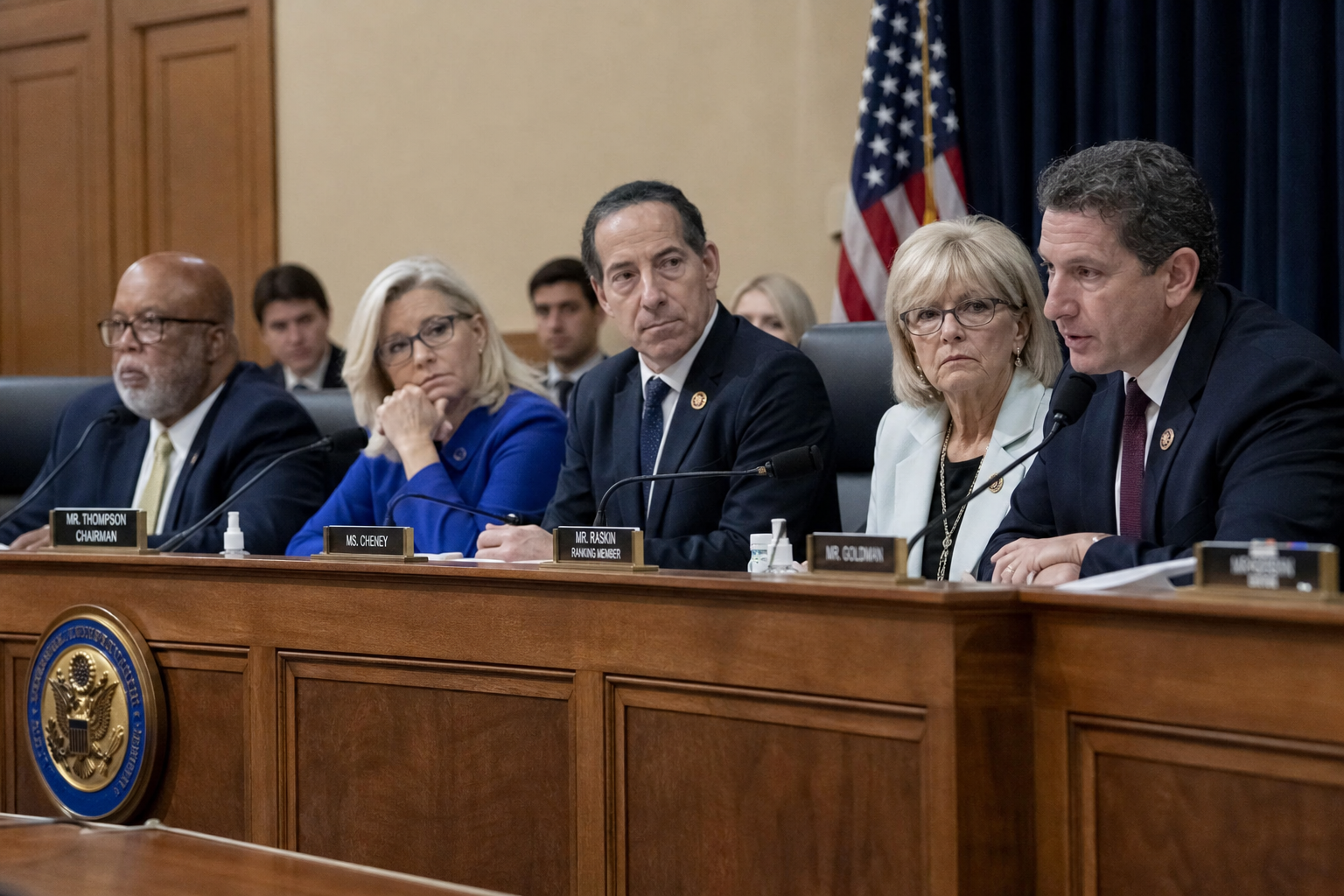
The Oversight Challenge in Wartime Support
When the United States commits billions of dollars to military and humanitarian aid abroad, particularly in an active conflict zone, the obligation to track that spending and ensure its proper use becomes not a bureaucratic formality but a constitutional responsibility. The current scrutiny of American oversight mechanisms for Ukraine assistance reflects a legitimate institutional question: How do we maintain accountability while providing the rapid support a wartime ally requires?
This is not a question animated by skepticism toward Ukraine or its struggle. Rather, it flows from a core conservative principle: good governance requires both effective action and transparent stewardship of public resources. The two are not in tension; they reinforce each other. Taxpayers who fund aid deserve to know how those funds are used, and an ally receiving assistance has a stake in demonstrating that it is managing that support responsibly.
The Accountability Framework Under Pressure
The established mechanisms for oversight of foreign aid—congressional appropriations committees, State Department inspectors general, and Department of Defense auditing procedures—were designed for peacetime conditions and conventional aid relationships. They assume time for review, investigation, and course correction. Wartime creates different pressures. When a country faces an immediate military threat, the demand for speed inevitably strains the normal rhythm of oversight.
This tension is real and serious. But it is not new, and it is not unsolvable. During previous conflicts and emergency aid deployments, the United States has managed to maintain meaningful oversight while meeting urgent timelines. The answer has never been to choose between accountability and speed; it has been to develop parallel tracks that can operate simultaneously.
That requires clear communication between appropriating bodies and executive agencies, detailed baseline assessments before funds are released, regular audit cycles that do not wait for a conflict to end, and open channels for reporting concerns without bureaucratic delay. It also requires that allies receiving American support understand that transparency serves both parties.
Institutional Trust and Foreign Policy
There is a broader principle at stake in this debate. American credibility in international affairs rests significantly on the perception that our government operates according to law and is willing to account for its actions. That perception has value, especially when we are asking other democracies to rely on American commitment and American partnership.
Conversely, when oversight is perceived as weak or perfunctory, it undermines not only domestic confidence in government spending but also international confidence in American institutional reliability. Allies need to know that the United States takes stewardship seriously; adversaries need to know that American support comes with real checks and balances, not just executive whim.
The current attention to oversight mechanisms is therefore not a distraction from supporting Ukraine. It is, properly understood, an essential part of that support. A credible partner is a partner whose institutions function visibly and are accountable to law.
The Conservative Case for Rigorous Oversight
From a conservative institutional perspective, the case for robust oversight is straightforward. It does not require skepticism toward Ukraine or doubts about the value of American assistance. It requires only a belief that government power—including the power to distribute public resources—should operate within defined constraints and be subject to regular review.
This principle applies domestically and internationally. When the federal government spends money at home, we demand an accounting. That same standard should apply when money is spent abroad, particularly in the volume now being deployed. The question is not whether to oversee but how to do it effectively without creating impediments to urgent assistance.
That means Congress should maintain clear authority over appropriations and regular reporting requirements. It means executive agencies should have the flexibility to act quickly within those parameters but not outside them. It means that concerns about waste or misuse should be investigated promptly and transparently, and that findings should be made public unless genuine security considerations argue otherwise.
Moving Forward
The path forward requires recognizing that oversight and effectiveness are complementary, not competing, objectives. A wartime ally is best served by an American partner whose commitments are backed by robust institutions, not by the appearance of unlimited authority or unchecked spending. Conversely, maintaining public support for sustained aid requires that Americans see their representatives asking hard questions and following the money.
The current moment offers an opportunity to strengthen these mechanisms: to build oversight architectures that can handle both the speed wartime demands and the transparency democratic government requires. That work is unglamorous and procedural. But it is also essential to preserving both American institutions and the credibility of American partnership abroad.
