
The Intersection of Policy and Catastrophe
When catastrophic wildfires sweep across the Western landscape each season, the immediate focus falls on firefighting efforts and evacuation procedures. But beneath the headlines lies a more complex question about the role federal land management plays in creating conditions that allow fires to spread with such intensity. This is not a question with a simple answer, but it is one that deserves serious examination from those who care about both environmental stewardship and effective governance.
The federal government manages roughly 640 million acres of public land—nearly 28 percent of all land in the United States. The vast majority of this acreage is concentrated in the West, where it includes some of America's most fire-prone territory. How these lands are managed—what trees are removed, how vegetation is thinned, what prescribed burns are conducted—has real consequences for fire behavior and community safety. This is not ideological speculation; it is a matter of observable forest ecology.
Understanding the Forest Condition Problem
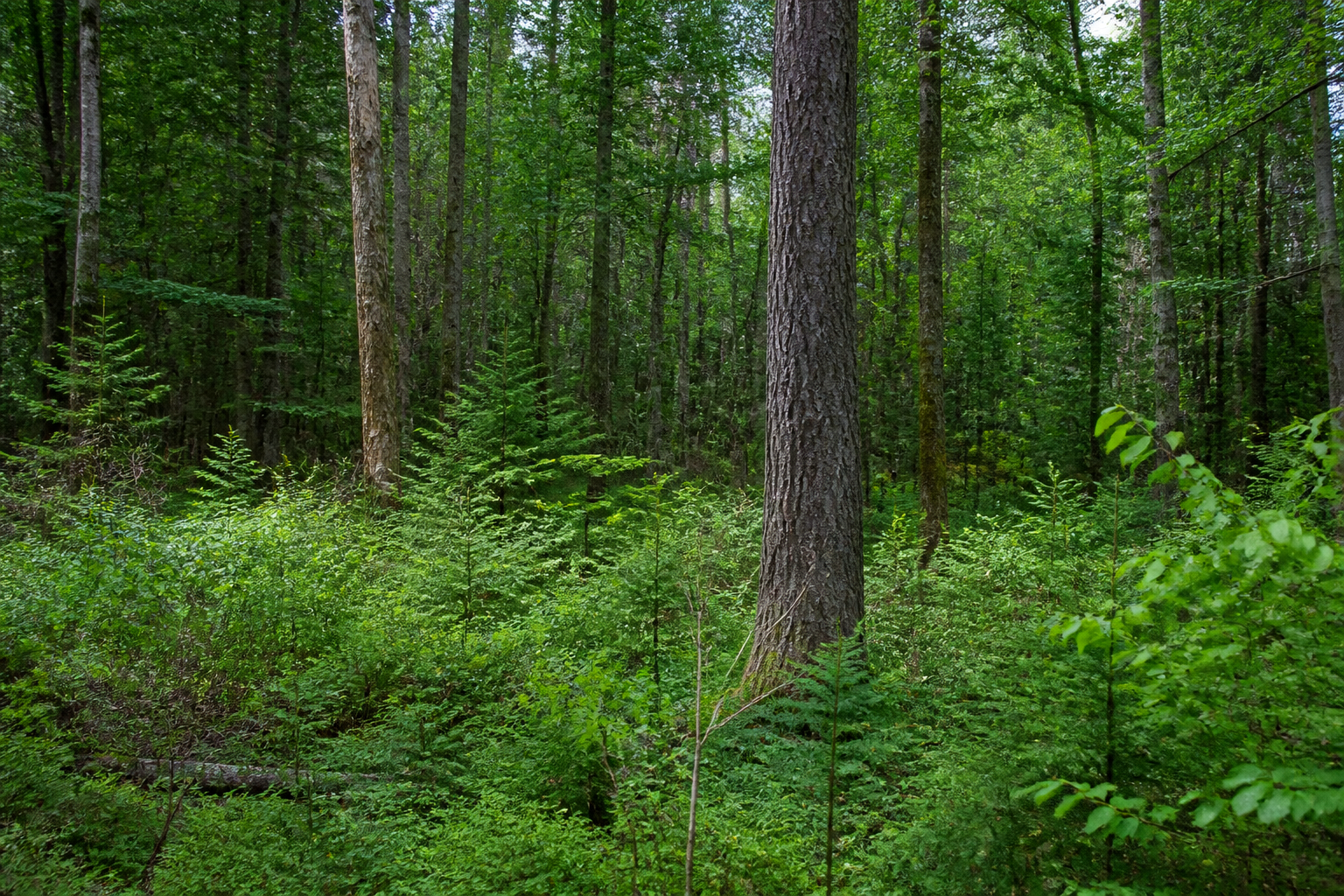
Decades of fire suppression policy, combined with regulatory complexity and funding constraints, have left many Western forests in a state that forestry experts describe as overstocked. This means the density of trees per acre, particularly smaller trees and dead timber, has accumulated to levels that historical fire regimes would not have produced. When conditions are right—drought, heat, wind—fires burning through such forests move faster, burn hotter, and jump more readily from tree to tree than they would in a more actively managed landscape.
This is not a partisan observation. Scientists across the ideological spectrum acknowledge that forest density affects fire behavior. The question is not whether forest management matters, but how federal policy should balance competing priorities: environmental protection, timber economics, recreational access, wildlife habitat, and community safety.
The Regulatory Labyrinth
Federal land management operates within a thicket of environmental regulations, from the National Environmental Policy Act to the Endangered Species Act to various forest planning requirements. These laws serve important purposes—they ensure public input, protect sensitive ecosystems, and require agencies to consider long-term consequences. But they also create procedural obstacles that can slow or prevent management actions.
A project to thin a forest or conduct a prescribed burn can require years of environmental review, public comment periods, and potential legal challenges from conservation groups opposed to any timber removal. Meanwhile, the forest continues to accumulate fuel. By the time a project receives final approval, conditions on the ground may have shifted, or funding may have evaporated. This is not a failure of individual forest managers—many of whom understand the risks clearly. It is a failure of institutional design.
The Funding Reality
The U.S. Forest Service and Bureau of Land Management operate under tight budget constraints that force difficult trade-offs. When wildfire suppression demands surge—as they reliably do each summer—funding for preventive management often gets redirected to emergency response. This creates a vicious cycle: forests become denser and more dangerous because prevention is underfunded, which then requires larger suppression budgets, which further starves prevention funding in subsequent years.
Some observers argue that allowing timber harvesting on federal lands could offset management costs and generate revenue for additional forest work. Others contend that commercial timber sales are incompatible with other land values. This is a legitimate policy debate, but it should be grounded in honest acknowledgment that the current system—neither fully commercial nor adequately funded for prevention—may be serving neither objective well.
State and Local Variation
It is worth noting that wildfire risk exists across public and private lands, and that state and local governments manage significant acreage with varying degrees of success. Some states have been more aggressive in pursuing forest thinning and prescribed burning than federal agencies; others have faced similar regulatory and funding obstacles. The problem is not uniquely federal, though federal lands represent a large and important piece of the puzzle.
A Path Forward
Addressing this challenge requires institutional reform, not ideological purity. Policymakers might consider streamlining environmental review for clearly beneficial management actions, providing dedicated funding for prevention work that is protected from suppression budget raids, and creating clearer authorization for forest managers to act when conditions warrant. None of these steps requires abandoning environmental protection; they require recognizing that preventing catastrophic fire is itself an environmental good.
The conservative principle at stake here is institutional effectiveness and stewardship. Government has a responsibility to manage public lands in ways that serve the public interest—and preventing community-threatening wildfires is squarely within that interest. When policy design prevents that outcome, reform is not radical; it is conservative in the truest sense.
The Larger Question
Ultimately, the wildfire question reflects a broader challenge facing American governance: how to make decisions quickly enough to match the pace of actual events, while maintaining the deliberation and public input that legitimate democratic decisions require. There is no formula that perfectly balances these demands, but there are better and worse ways to try. The current system, judged by outcomes, may be tilted too far toward delay at the expense of action.
