
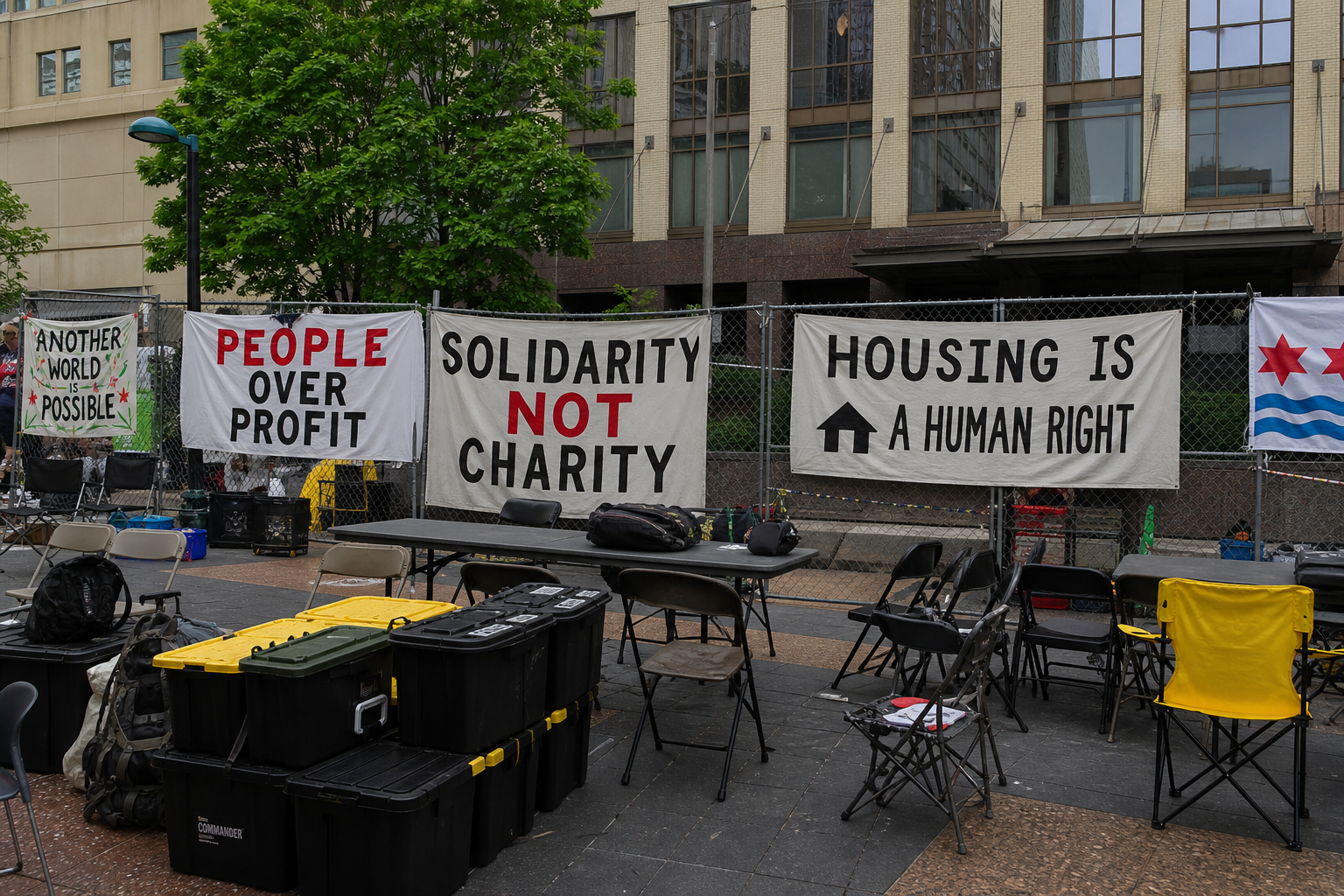
The Complex Web of Protest Funding in Modern America
When large-scale protests erupt across American cities, a natural question follows: who pays for them? The funding mechanisms behind contemporary protest movements have become increasingly sophisticated, involving a network of nonprofit organizations, philanthropic foundations, and institutional donors. Understanding these networks is essential for citizens who want to track money in politics and evaluate the authenticity of grassroots movements.
The distinction between grassroots activism and organized, well-funded campaigns matters for transparency and democratic accountability. When citizens gather spontaneously to advocate for shared concerns, they are exercising fundamental rights of assembly and petition. When the same activities are substantially underwritten by wealthy donors or institutional actors, voters deserve to know about it.
The Role of Institutional Philanthropy
Large foundation networks have long played a role in funding activist causes across the political spectrum. Some major philanthropic organizations with significant assets have made grants to organizations that coordinate or support protest activity. This is not inherently improper—foundations have legitimate reasons to support causes they believe serve the public good. What matters is transparency about the funding relationships and the extent of financial backing behind ostensibly grassroots movements.
Conservative and libertarian foundations have similarly funded advocacy movements on the right. The difference is not that one side funds activism and the other does not, but rather the relative scale, coordination, and public awareness of these funding networks. When voters cannot easily trace who is funding a movement, they cannot fully evaluate its independence or interests.
Foreign Money and American Movements
The question of foreign financial involvement in American protest movements raises legitimate national security and democratic integrity concerns. Federal law prohibits foreign nationals from contributing to American political campaigns, and there are restrictions on foreign involvement in domestic political activities. However, the mechanics of detecting and preventing foreign funding for protest movements—which occupy a gray space between pure speech and organized political activity—remain complicated.
Foreign actors have historically sought to amplify divisions within American society through various means, including financial support for activist organizations. Whether such funding has substantially influenced major American protest movements in recent years remains contested. What is clear is that the foreign interference question deserves rigorous investigation and public accountability, not dismissal as conspiracy theory.
Transparency as a Conservative Principle
Conservatives should be particularly invested in transparency around protest funding, because institutional conservatism depends on trust in democratic processes. When large movements can mobilize without clear public accounting of their financial backing, it creates uncertainty about whether activism represents authentic public sentiment or the preferences of wealthy patrons.
This concern is not unique to the left. Tea Party movements and conservative advocacy campaigns have similarly faced questions about funding sources and coordination. The principle should be consistent: citizens deserve to know who is funding political and protest activity, regardless of the ideology involved.
The Challenge of Defining "Grassroots"
Modern protest movements rarely fit neatly into categories of purely grassroots or purely funded activism. Most large movements involve some combination of spontaneous public participation and organized institutional support. A teacher who attends a march after work is engaging in genuine grassroots activism, even if the march itself was organized and publicized by well-funded nonprofits.
The practical question for citizens is whether the financial backing of movements materially shapes their messaging, tactics, or priorities. Does funding from particular sources influence which issues get emphasized? Do wealthy donors effectively set the agenda, or do activists determine it? These questions require more investigation than political rhetoric typically allows.
Legal and Regulatory Questions
Current law regulates campaign contributions but leaves significant gaps in the oversight of protest funding. Section 501(c)(4) organizations—social welfare nonprofits—can accept unlimited donations and fund activism with minimal donor disclosure requirements. This is true across the political spectrum and reflects a deliberate legal framework that prioritizes free speech and association over transparency.
Whether this framework should be reformed is a legitimate policy debate. Strengthening disclosure requirements for organizations that fund political activism could increase transparency without necessarily restricting speech. Conversely, such reforms must be carefully designed to avoid chilling legitimate protest or creating burdens that disproportionately affect smaller, truly grassroots organizations.
What Voters Should Demand
Citizens across the political spectrum benefit from demanding greater transparency around protest funding. This means:
- Public disclosure of major donors to organizations that coordinate protest activity
- Clear attribution of funding sources for protest infrastructure and materials
- Rigorous investigation of any foreign funding, with results made public
- Consistent standards applied regardless of whether movements align with progressive or conservative causes
Transparency does not delegitimize protest—it clarifies it. Movements backed by genuine public conviction can withstand scrutiny of their funding. Those that cannot withstand such scrutiny probably deserve skepticism.
Conclusion: Follow the Money, Follow the Truth
The funding of American protest movements is a legitimate subject of public inquiry. Wealthy donors, foreign actors, and institutional philanthropies all play roles in contemporary activism. Voters deserve to understand these relationships to make informed judgments about which movements represent authentic public sentiment and which primarily reflect the preferences of powerful patrons.
This is not an argument against protest itself or against foundation support for causes in the public interest. It is an argument for the transparency that democracy requires. When citizens know who is funding a movement, they can evaluate its credibility and independence. In the long run, that serves not just conservative interests, but the integrity of democratic participation itself.
