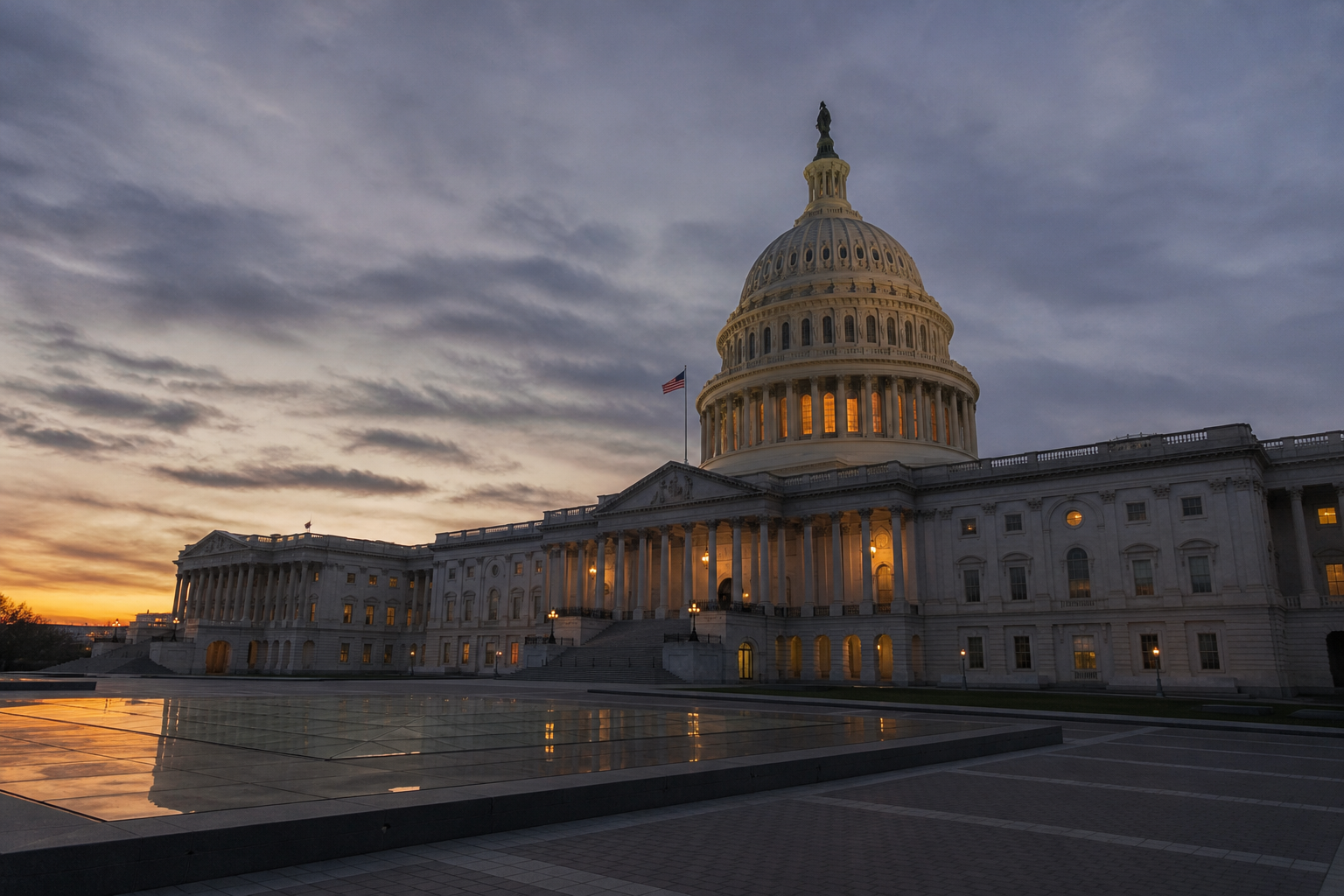
The arrival of self-identified democratic socialists in the House of Representatives marks a notable shift in the composition of the Democratic caucus. Where such voices were once confined to city council chambers and campus activism, they now participate in committee hearings, floor debates, and caucus strategy sessions on Capitol Hill. This is not a matter of opinion or spin—it is a straightforward demographic fact about the current Congress that deserves serious analysis.
Boston's adoption of a municipal "Day of Mourning" raises hard questions about institutional authority and how cities are reshaping America's shared civic calendar. What does it mean when local governments systematically reinterpret national traditions?
Americans across the political spectrum show growing resistance to prolonged military involvement in the Middle East, according to recent polling. Conservative policymakers should view this data as a call for a more disciplined, clearly defined foreign policy strategy rather than a mandate for withdrawal.
A breach of a CIA unclassified network exposes persistent vulnerabilities in how the federal government protects its systems, revealing structural gaps in coordination, resources, and institutional commitment to cybersecurity.
Conservative commentator Hugh Hewitt has proposed a sweeping amnesty program as an alternative framework for immigration policy, raising questions about whether such executive clemency could advance or undermine the Trump administration's stated immigration priorities.
A federal investigation into homeless services agencies in major cities has uncovered substantial fraud and misappropriation of funds, raising questions about whether billions in spending are reaching their intended beneficiaries or fueling administrative waste and criminal conduct.