
Who Bears the Cost When Public Waters Turn Dangerous?
Every summer, American beaches draw millions of visitors seeking respite from heat and routine. Yet alongside the postcards and sandy vacations comes a harder reality: drowning remains a leading cause of unintentional injury death, particularly among children and young adults. When tragedy strikes at a public beach, families and communities naturally look for answers—and often, for accountability. The question of who bears responsibility when public waterways claim lives cuts to the heart of how we understand government's role and citizens' obligations.
The debate is not merely legal or administrative. It touches on fundamental questions about the proper relationship between the state and the individual. When government manages a public resource—a beach, a public lake, a municipal swimming facility—what duty of care does it owe? At what point does that duty end, and personal responsibility begin? And when tragedy occurs despite reasonable precautions, who should bear the burden?
The Current Legal and Practical Framework
Most American beaches and public waterways operate under a patchwork of federal, state, and local authority. The National Oceanic and Atmospheric Administration provides data and guidance on water conditions. State governments typically set regulations for beach operations, lifeguard staffing, and water safety signage. Local municipalities manage day-to-day operations, maintenance of facilities, and emergency response protocols.
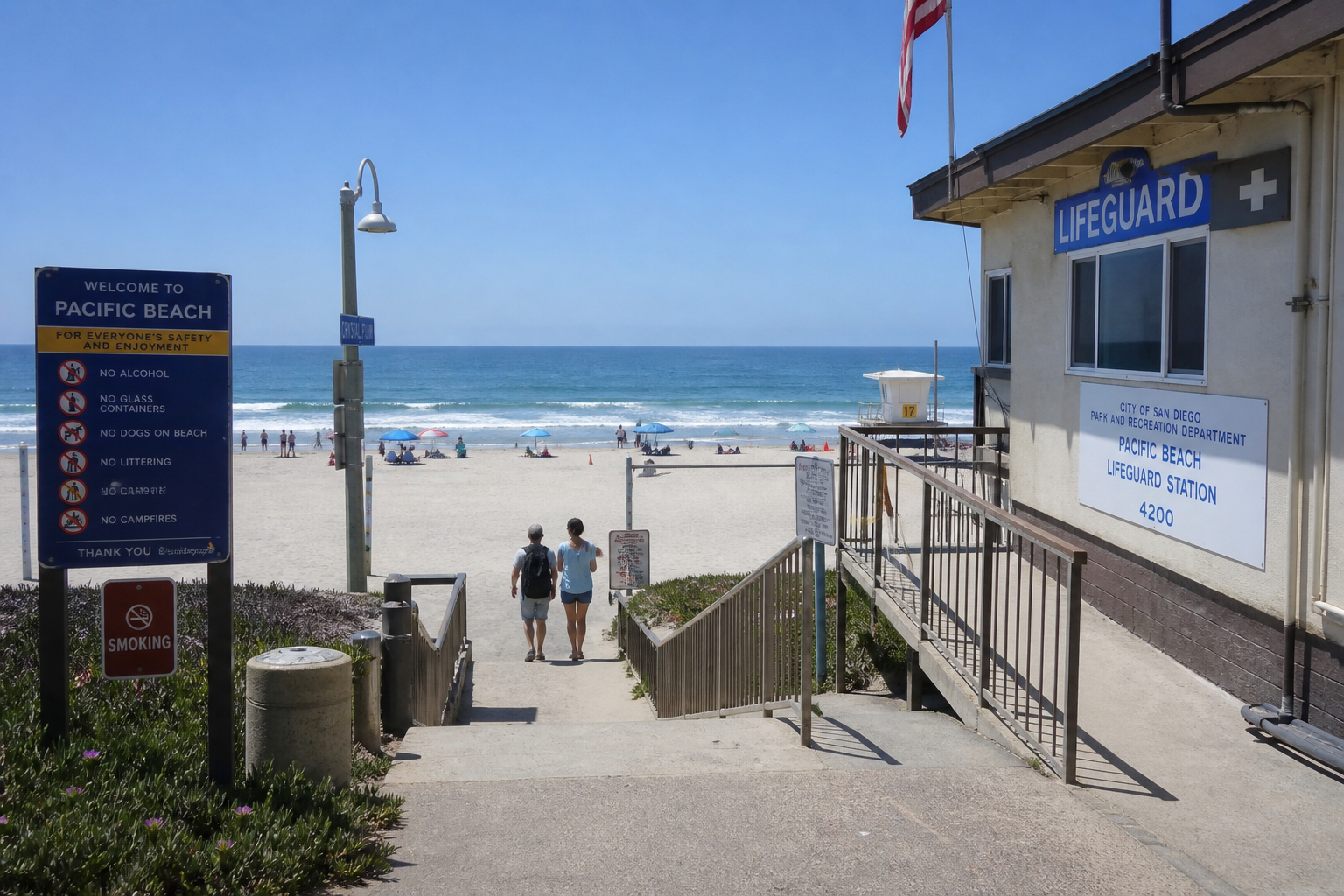
Lifeguard coverage varies dramatically by jurisdiction and season. Some well-funded beaches maintain year-round or extended summer staffing; others rely on seasonal workers or have limited coverage. Warning signs about rip currents, undertow, and hazardous conditions are now common, yet their efficacy remains debatable. Surveys suggest that many beachgoers do not fully understand the warnings they encounter, nor do they grasp the mechanics of dangerous water conditions.
From a legal standpoint, government entities generally operate under what is called sovereign immunity—a doctrine that shields public authorities from certain lawsuits unless they have explicitly consented to be sued. Some states have carved out exceptions for gross negligence or failure to warn of known dangers. These exceptions vary widely, which means accountability for beach deaths depends heavily on where the tragedy occurs and the specific facts surrounding it.
The Case for Government Accountability
Those who emphasize government responsibility argue that when a municipality or state operates a public beach, it implicitly assumes a duty of care toward the public it invites. If a government advertises a beach as open and safe for recreation, the reasoning goes, it has a corresponding obligation to maintain lifeguard coverage, post clear and understandable warnings, and maintain rescue equipment in working order. Gross negligence—failing to staff a beach during peak hours, for instance, or ignoring known hazards—should not be shielded by immunity doctrines designed to protect against frivolous lawsuits.
This view finds particular force when deaths occur at popular, well-funded public beaches where the government has the resources to prevent tragedy but fails to deploy them. A drowning that might have been prevented by an on-duty lifeguard presents a clearer case for accountability than one that occurs despite all reasonable precautions.
The Case for Personal Responsibility
Yet there is another side to this accounting. At some point, individuals must bear responsibility for the choices they make at the water's edge. The ocean is inherently dangerous; rip currents, strong waves, and deep water have been part of the natural world since long before governments began managing beaches. No government can eliminate risk from water entirely, nor should we expect it to.
Adults who choose to enter the ocean assume a basic responsibility to understand their own limits and to heed posted warnings. Parents who bring children to the beach bear an obligation to supervise and to educate them about water safety. Swimming in waters where lifeguards are not present is a conscious choice that shifts the burden of safety back onto the individual. A culture that treats every tragic outcome as evidence of government negligence may undermine the personal prudence and caution that water safety actually requires.
Toward a Balanced Framework
The conservative approach to this problem should rest on several principles. First, government has a legitimate role in providing information, warning, and emergency resources at public waterways. Citizens who use public facilities should reasonably expect basic safety infrastructure—signage explaining hazards, lifeguard presence during high-use times, and working rescue equipment. These are not excessive demands; they reflect the minimal duty assumed when government opens a resource to public use.
Second, accountability should be proportional to negligence. Sovereign immunity should not shield gross incompetence, such as operating an unmanned beach in high-use season or ignoring known hazards. But neither should it vanish entirely, rendering government entities liable for every misadventure that occurs on public land. The law should distinguish between ordinary risks that swimmers must manage themselves and extraordinary negligence on the part of government.
Third, safety education and personal responsibility deserve equal emphasis with institutional accountability. Government warning signs have limits. Real water safety—understanding rip currents, knowing one's swimming ability, respecting the power of the ocean—begins with individuals and families, not bureaucracies. A healthy culture of recreation includes respect for natural hazards and honest assessment of personal limits.
The Deeper Question
Beach deaths raise hard questions about mortality and risk that no policy can fully solve. Government can reduce tragedy through reasonable precaution, good management, and transparent communication. But it cannot eliminate the ocean's dangers, nor should it try to insulate citizens from all consequence of their choices. The path forward requires both institutional accountability and individual prudence—a recognition that safety is a shared responsibility, not one assigned wholly to government or wholly to the individual.
