
Jordan's Minority Leader Bid Tests GOP's Path Forward
When a party loses control of the House in a midterm election, the leadership election that follows is rarely quiet. This week, the Republican Party faces a genuine moment of self-examination as it considers its direction in the opposition, and that conversation centers on the question of what kind of leadership the caucus actually needs right now.
The mechanics of House leadership are straightforward enough. The party with fewer seats elects a Minority Leader—the top spokesperson and strategist for the opposition. But the choice carries deeper weight than mere title. It signals whether a party is consolidating around its recent direction, pivoting toward something new, or attempting to straddle both camps. In this case, the Republican Party is doing all three at once, which is precisely the problem.
The Case for Continuity and the Case for Change
Those backing the frontrunner make a simple argument: we need someone battle-tested, someone who has shown he will fight hard for conservative principles without apology. This is the argument for continuity with recent conservative energy and activism. It appeals to a significant portion of the Republican base that believes the party's problems stem not from its message but from its execution—from insufficient vigor in opposing the Biden administration's agenda.
Critics present a different case, one that is harder to articulate in a soundbite but worth examining seriously. They ask whether the Republican Party's recent electoral performance suggests that the current approach is reaching the limits of its effectiveness. The 2022 midterms, despite historical precedent favoring the out-of-power party, produced results that frustrated many GOP strategists. That outcome invites a legitimate question: what does leadership look like when the electorate is clearly signaling dissatisfaction with both parties but appears to be rejecting one more decisively than the other?
The Institutional Question
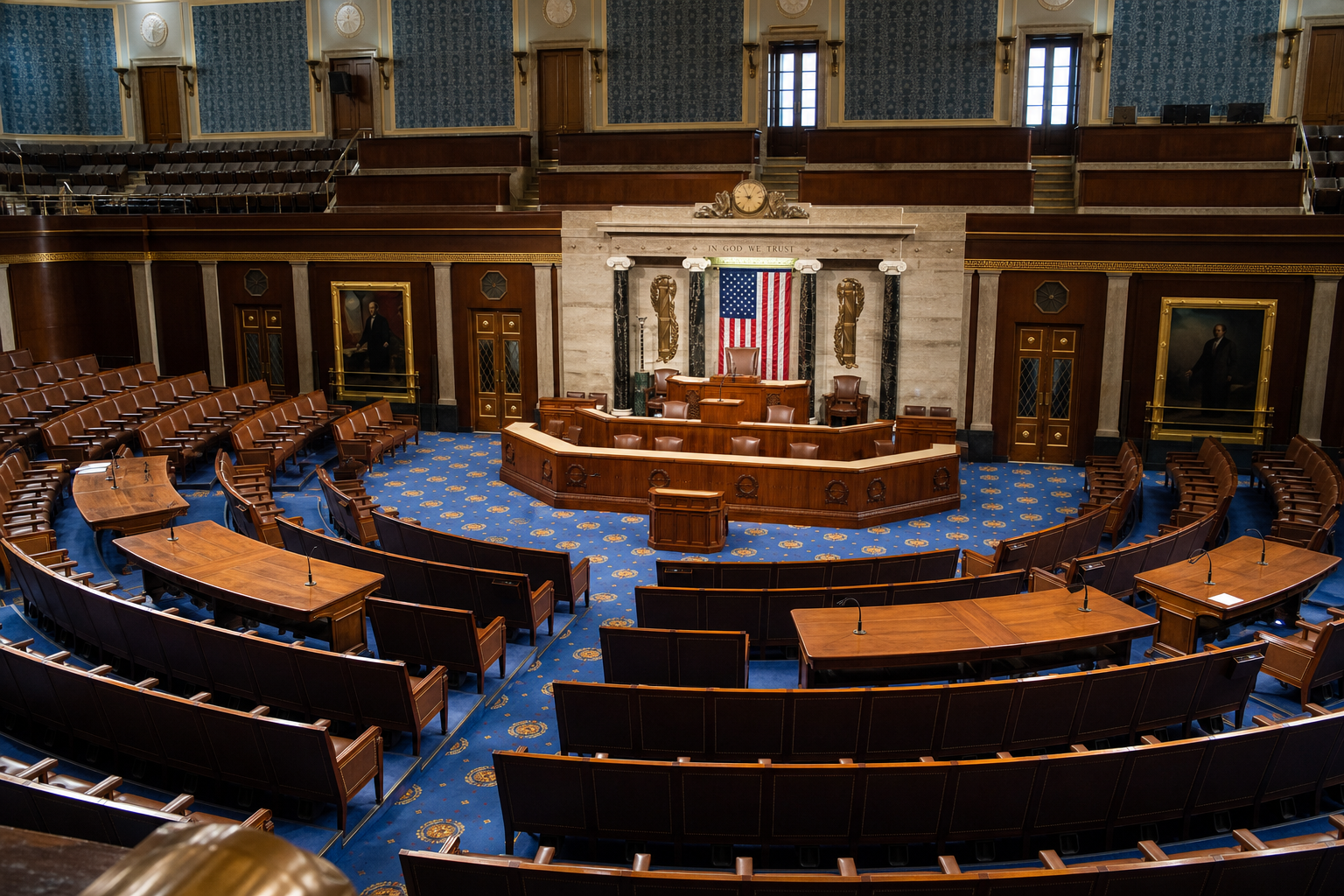
This debate is ultimately about institutions. The House of Representatives is not a protest movement; it is a legislative body with specific constitutional powers and responsibilities. It is where bills are written, debated, and voted upon. It is where the power of the purse lives. A Minority Leader's job is not only to oppose but to lead—to organize the minority caucus around a coherent legislative agenda, to recruit candidates who can win in competitive districts, and to prepare the party to govern if and when it returns to power.
These are different skills from those required to energize a base or win a primary. A Minority Leader must work across party lines on procedural matters. He must negotiate with the majority party on spending bills and must often make tactical compromises that do not satisfy the purists on either flank. It is unglamorous work, which is perhaps why it receives less attention than the more theatrical aspects of opposition politics.
What the Caucus Actually Needs
The Republican caucus heading into the new Congress is fractious and restless. It contains members elected on anti-establishment platforms alongside institutionalists who worry about the caucus's coherence. It contains hardliners on fiscal policy alongside pragmatists concerned about governing coalitions. It contains both Trump-aligned figures and those who have broken with the former president. No single leader, no matter how combative or principled, can paper over those divisions with rhetoric alone.
What the caucus needs is leadership that can channel that energy toward legislative productivity. That means articulating a positive Republican agenda—not merely opposition to Democratic proposals, but a genuine vision for what Republicans would do with power. It means recruiting and supporting candidates who can win in suburban and competitive districts without losing the base. It means maintaining party discipline on votes that matter while allowing room for individual judgment on matters of conscience.
The Broader Institutional Challenge
The deeper problem is not unique to this moment. American politics has shifted over the past two decades in ways that reward confrontation and ideological purity within parties while punishing compromise and institutional seniority. The incentive structures have changed. A member of Congress faces greater pressure from a vocal primary constituency than from general-election voters. Party leadership has less ability to enforce discipline than it once did. Media fragmentation means that every internal disagreement is instantly amplified to a national audience.
These structural realities constrain whoever leads the Republican House caucus. No leader can simply will the caucus into unity, nor should he try by suppressing legitimate disagreement. But he can set a tone. He can establish expectations about how members treat one another and how the caucus conducts its business. He can model the kind of serious engagement with policy and governance that a legislative party requires.
Looking Ahead
The Republican Party's midterm performance was disappointing by historical standards, and that disappointment is real. But it is also true that the party remains competitive and that the 2024 landscape offers genuine opportunities for Republican renewal. Those opportunities will be wasted, however, if House Republicans spend the next two years either litigating the recent past or performing opposition without building something durable for the future.
Leadership matters in this context—not as a substitute for clear principle or strong conviction, but as a framework for channeling them productively. The Republican caucus will make its choice soon enough, and that choice will tell us something important about whether the party is ready to do the patient work of rebuilding, or whether it intends to remain in a permanent campaign mode. Both paths have supporters. Only one, ultimately, leads toward actual governance.
