
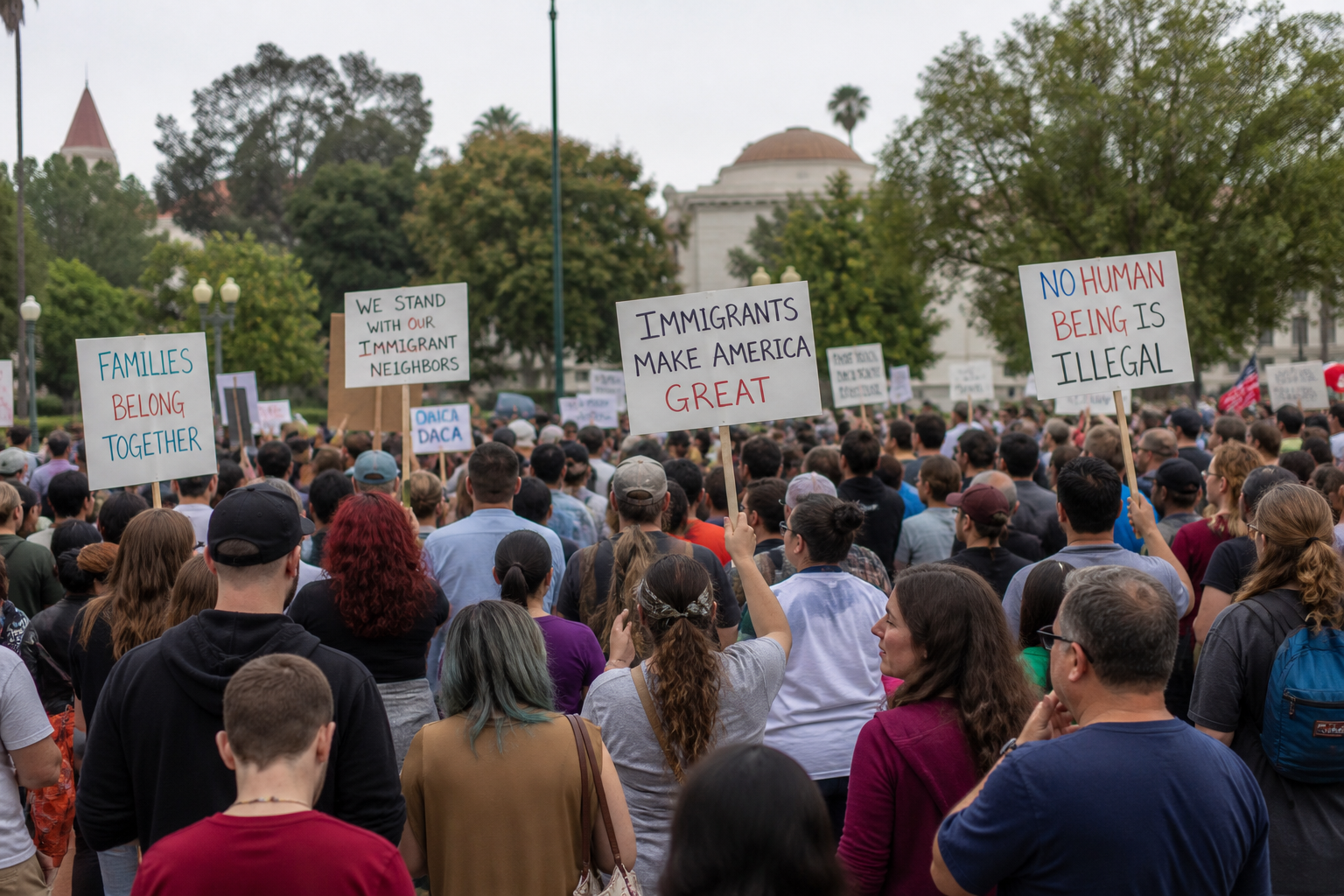
The Immigration Debate and Its Institutional Challenge
Immigration policy has long occupied a central place in American political debate, but in recent years the contours of that debate have shifted noticeably. Progressive politicians and some cultural figures have championed policies that differ markedly from the immigration enforcement approach that has dominated Republican and conservative thinking since the 1990s. Understanding these proposals—and their conservative critique—requires moving beyond rhetoric to examine what is actually being proposed and what the practical implications might be.
What Progressive Immigration Advocates Are Proposing
At the broadest level, progressive immigration advocates have argued for a significant reorientation of federal immigration enforcement priorities. Rather than emphasizing deportation and border restriction, they have pushed for policies that would expand legal pathways to citizenship, reduce enforcement of immigration laws in the interior of the country, and reallocate resources away from detention and toward processing and integration programs.
Some specific proposals that have circulated include eliminating or substantially raising immigration enforcement quotas, decriminalizing unauthorized entry across the southern border, expanding asylum eligibility to include economic migrants and those fleeing gang violence, creating pathways to citizenship for undocumented immigrants already in the country, and reducing funding for Immigration and Customs Enforcement (ICE) operations. These proposals reflect a philosophical view that immigration restrictions have been too stringent and that American immigration law should prioritize family reunification and humanitarian concerns over enforcement and labor market considerations.
The Role of Cultural Influence
What distinguishes this moment from past immigration debates is the degree to which celebrities and cultural figures have become vocal advocates for progressive immigration positions. Pop stars, actors, and other public intellectuals have used their platforms to argue that restrictions on immigration are inconsistent with American values and that more open immigration benefits the country economically and culturally.
This cultural advocacy serves a real function in political debate: it helps frame immigration as a moral issue rather than primarily as a question of fiscal cost or labor market competition. By positioning immigration restrictions as un-American or cruel, cultural advocates shift the terrain of the argument away from empirical questions about which policies produce better outcomes and toward questions about national identity and values.
Conservative Objections and Policy Concerns
Conservative and institutional critics of these proposals raise several substantive objections. First, many conservatives argue that immigration law should prioritize the interests of American workers and taxpayers. They contend that expanding immigration without careful consideration of labor market effects could depress wages for less-educated workers and increase reliance on public services in ways that strain state and local budgets.
Second, conservatives emphasize the rule of law. They argue that citizenship is a legal status with real meaning, and that a system which tacitly permits or encourages unauthorized immigration undermines respect for law itself. From this perspective, immigration reform should be pursued through the legislative process, not through selective enforcement or de facto open borders.
Third, many conservatives worry about national security and public safety implications of reduced enforcement. While the empirical relationship between immigration and crime is complex, conservatives argue that basic border security and interior enforcement represent legitimate government functions that protect citizens.
Fourth, institutionally-minded conservatives express concern about the political sustainability of policies that bypass the legislative process. If immigration policy changes occur through executive enforcement decisions rather than through Congress, they argue, that creates instability and invites reversal when administrations change—a cycle that ultimately serves neither immigration advocates nor those seeking rational immigration reform.
The Deeper Institutional Question
Perhaps the most important conservative critique is not about immigration policy itself, but about how policy is being made. America has a constitutional system designed to require compromise and deliberation. Immigration reform that enjoys broad public support, conservatives argue, requires legislative action—which means both parties must negotiate and both must accept some outcomes they would not have chosen unilaterally.
When immigration policy changes occur primarily through executive actions, prosecutorial discretion, or cultural pressure rather than through law, the resulting policies may be less durable and the political divisions may deepen rather than resolve. The proper venue for reconciling deeply held disagreements about immigration is Congress, messy and slow as that process is, not the courts or the administrative state.
Finding Common Ground
Reasonable people disagree about immigration policy, and that disagreement is entirely legitimate. Some Americans believe the country benefits from higher levels of immigration; others believe more restrictive policies serve the national interest better. Some prioritize humanitarian concerns; others emphasize fiscal or labor market effects. These are real disagreements about values and empirical questions, not simply products of bigotry or naiveté.
A durable resolution will require both progressives and conservatives to engage seriously with the strongest versions of each other's arguments and to recognize that immigration reform requires legislative compromise. Neither cultural pressure nor executive action can substitute for the hard work of democratic deliberation that immigration policy genuinely requires.
