
The Math Behind a Tempting Proposal
Policymakers and political figures have periodically floated the idea of using tariff revenue to fund direct payments to Americans. The appeal is straightforward: tariffs generate federal revenue, and that revenue could theoretically be returned to citizens as a dividend or one-time payment. At face value, it sounds like a neat fiscal arrangement. But the mechanics of converting tariff proceeds into individual checks deserves careful scrutiny, both for what it might accomplish and for the complications that often get glossed over in political rhetoric.
How Tariff Revenue Actually Works
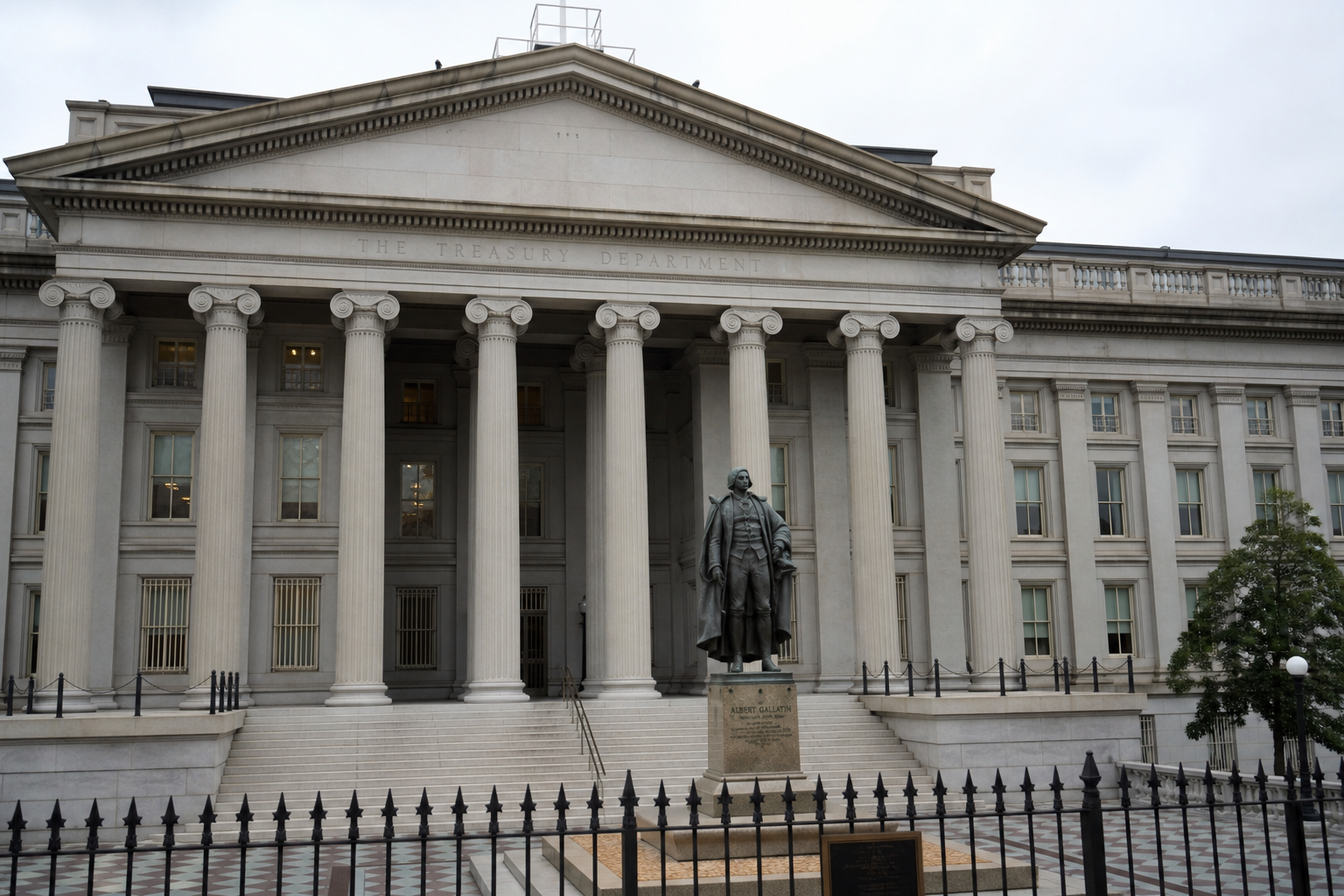
First, a clarification on the basics. When the federal government imposes tariffs on imported goods, the revenue collected goes into the Treasury. That money is real; it represents genuine income that the government can allocate, just as it does with tax receipts, user fees, or other sources. The question is whether that revenue is reliably predictable and sufficient to fund the proposed dividend—and whether using it for checks makes economic sense relative to other uses.
Tariff revenue has historically been modest relative to total federal receipts. In recent years, it has typically accounted for less than 2 percent of total federal revenue. That matters for scale. A $5,000 check to every American would cost roughly $1.7 trillion annually, assuming a population of around 335 million. Even aggressive tariff policies would be hard-pressed to generate that much revenue consistently. The arithmetic, in other words, is the first hurdle.
The Volatility Problem
A second practical concern is volatility. Tariff revenue depends on trade volumes, global economic conditions, and retaliatory responses from trading partners. It is not as stable as income tax receipts, which are tied to wages and employment. If the government commits to annual dividend checks of a fixed amount but tariff revenue fluctuates, Congress would need a backup funding source—which means either cutting other spending, raising other taxes, or running a deficit. Those are not trivial choices, and any of them would likely spark fierce political debate.
History also shows that tariffs often trigger economic responses that reduce their yield over time. When tariffs raise prices on imported goods, consumers and businesses may substitute domestic alternatives, reduce consumption, or shift purchasing patterns. Trading partners often retaliate with their own tariffs, dampening American exports. These dynamics can erode the tax base tariffs are meant to tap.
A Conservative Perspective on the Proposal
From a conservative standpoint, this proposal sits at an interesting intersection of principles. Conservatives generally favor lower taxes and skepticism of government redistribution programs. A dividend funded by tariff revenue might seem to align with that preference—it is, after all, returning government revenue to citizens rather than spending it on federal programs. But it sits uneasily alongside conservative concerns about the soundness of fiscal commitments and the dangers of unsustainable promises.
The more durable conservative approach would be to acknowledge that if tariff revenue materializes, the principled response is to reduce the deficit or lower other taxes, rather than create new recurring spending obligations. A one-time payment might be defensible as a way to return unexpected surplus revenue. But recurring annual checks funded by tariffs would create an entitlement structure that future congresses might struggle to maintain if tariff revenue declined—or they would have to find other revenue sources to keep the payments flowing, defeating the purpose of the tariff revenue in the first place.
The Broader Trade Question
There is also a broader question about why tariffs are being imposed in the first place. If tariffs are justified as a tool to protect domestic industry, reduce trade deficits, or counter unfair trading practices, then the revenue generated is a byproduct of that policy objective. Using that revenue to fund consumer dividends effectively untethers the tariff policy from its underlying economic rationale. It transforms tariffs into a tax on consumers and import-dependent businesses, with the proceeds distributed as a political sweetener. That framing makes the true cost of tariff policy harder for voters to see and evaluate clearly.
A More Honest Accounting
Serious policymaking requires clarity about trade-offs. If Congress believes tariffs serve an economic purpose—whether that is protecting workers in specific industries, reducing trade imbalances, or creating leverage in trade negotiations—that case should be made on its merits. If Congress wants to distribute revenue to citizens, that is a legitimate fiscal choice, but it should be funded transparently and with attention to whether the source is reliable and sustainable.
Combining the two—imposing tariffs for one stated purpose while using the revenue for dividends—obscures rather than clarifies what citizens are actually paying for and what they are receiving. It allows politicians to claim they are protecting American workers through tariffs while also promising direct payments as a bonus, when in reality those payments are coming from the pockets of consumers and businesses who absorb tariff costs.
The Bottom Line
The idea of tariff dividends has intuitive appeal. But the underlying arithmetic and economic logic do not hold up well to scrutiny. Real tariff revenue is likely insufficient to fund large recurring payments. The revenue is volatile and subject to erosion over time. And the proposal obscures rather than clarifies the true costs and beneficiaries of tariff policy. A more honest approach would evaluate tariff policy on its own merits, fund any resulting revenue surpluses through genuine deficit reduction or tax reform, and avoid creating spending commitments that cannot be sustainably maintained. That may be less politically satisfying, but it is the approach a serious government ought to take.
