The death penalty has occupied an uncomfortable place in American law for generations. It sits at the intersection of several foundational tensions: the desire for justice against the gravity of irreversible state power, public opinion fluctuating with crime rates, and evolving standards of human dignity enshrined in the Eighth Amendment. Recent executions in Texas, a state that carries out the largest share of capital sentences, have renewed a debate that refuses to settle into easy answers.
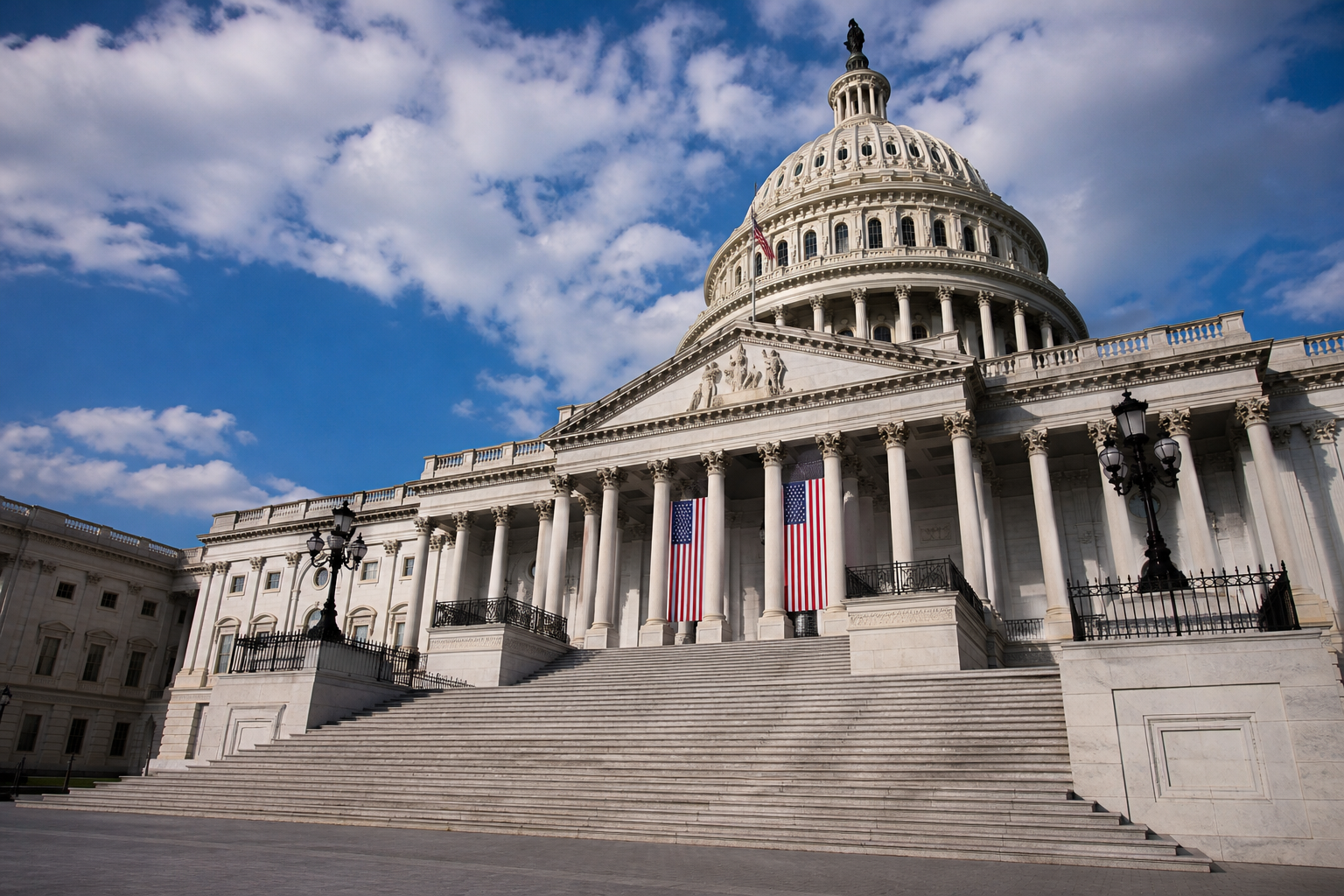
With 2026 midterms approaching, Senate control will determine not just partisan advantage but the chamber's capacity to act as an impartial steward of election integrity and public confidence in democratic procedures.
Washington State officials are responding to reports of fraud in the state's childcare subsidy program by attacking journalists instead of addressing the underlying problems—a troubling inversion of institutional accountability.
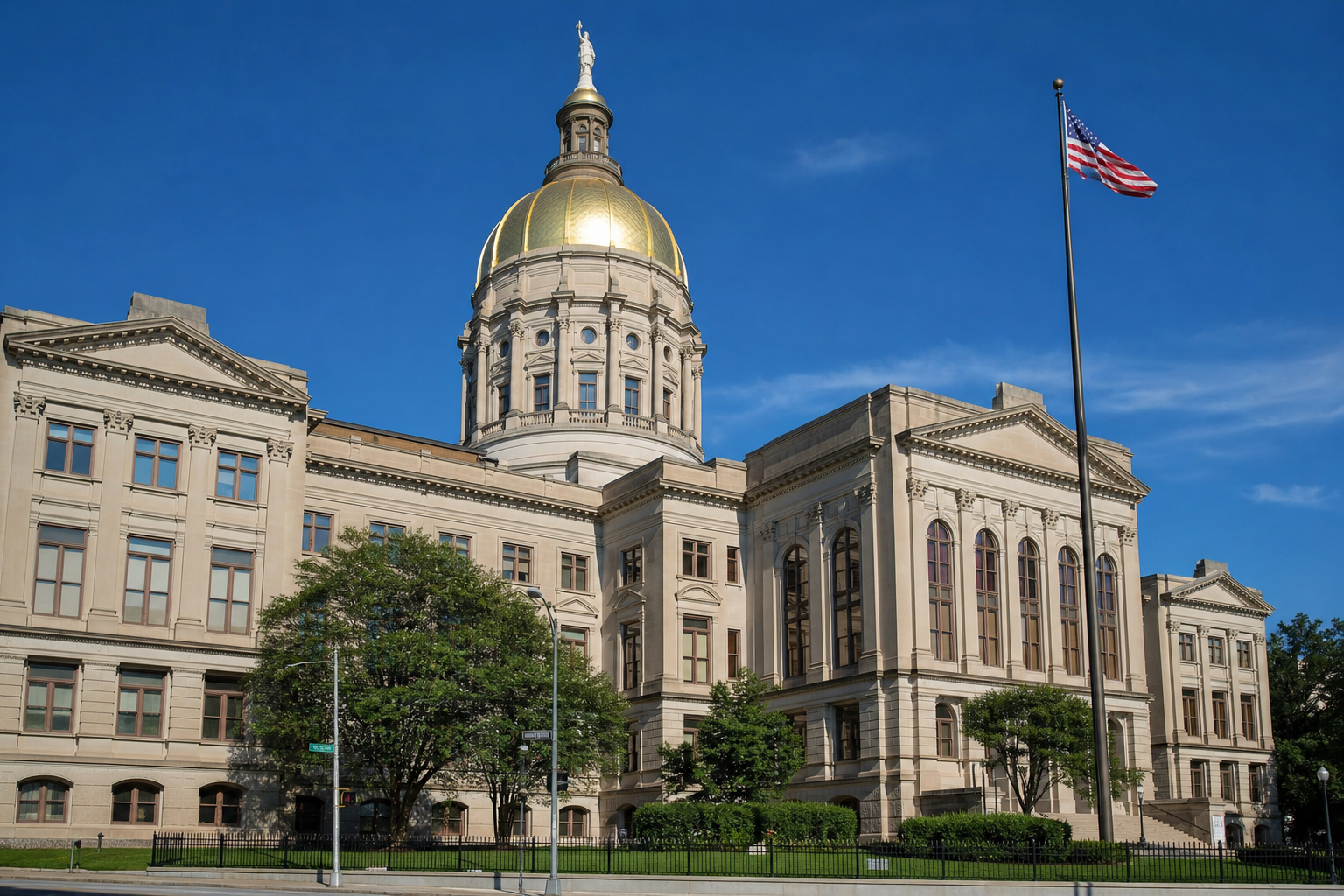
Georgia's Senate race has elevated energy policy and economic management to center stage, as candidates compete to offer voters credible solutions to rising costs and economic concerns.
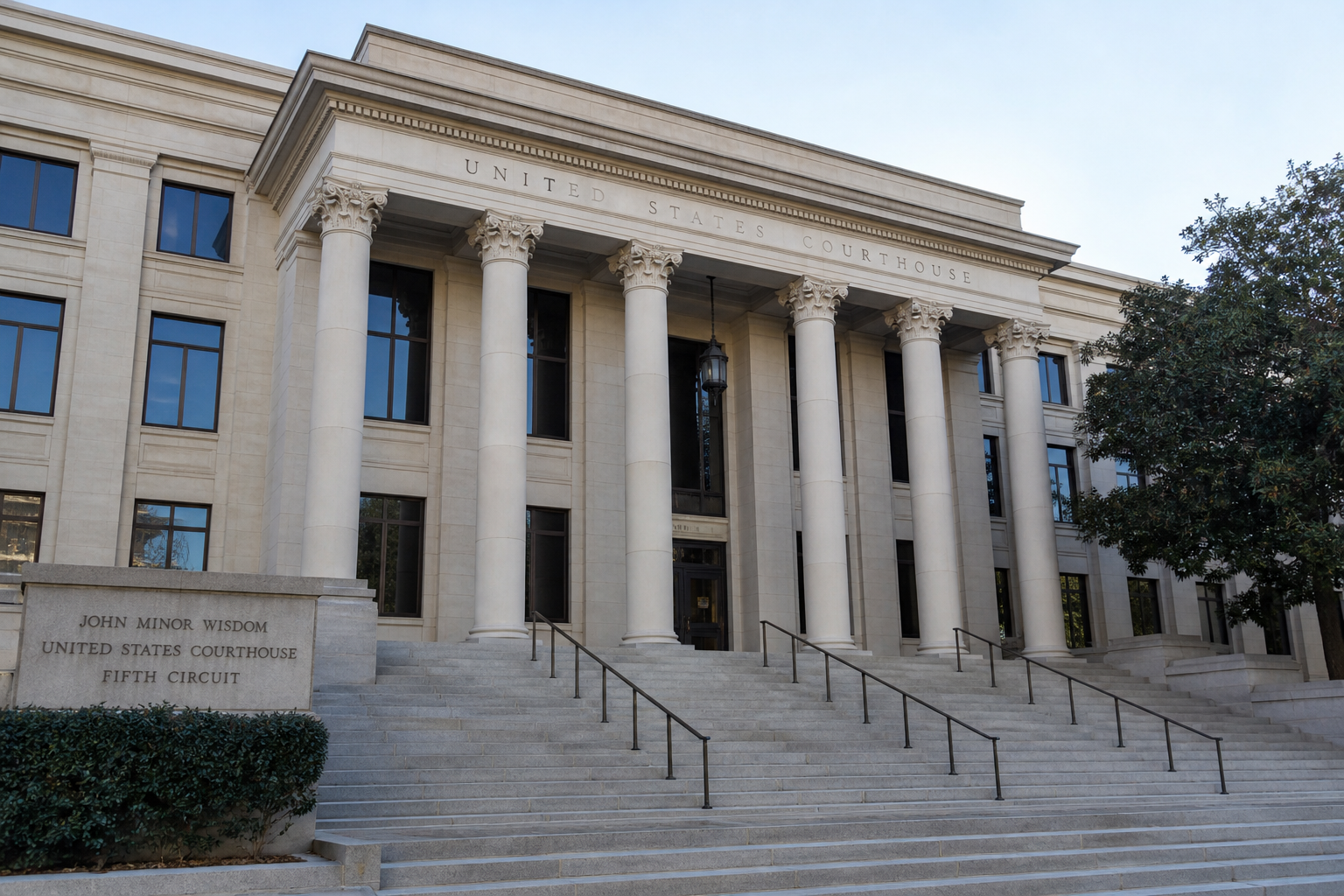
As immigration enforcement has tightened in recent years, federal courts have experienced measurable relief from overwhelming case backlogs, allowing judges to manage dockets more effectively and devote adequate time to all categories of cases.
Oregon's inconsistent prosecution of firearms crimes reveals how permissive enforcement policies undermine the rule of law, leaving regulations on paper while criminals operate with reduced risk.