For months now, governors and state officials across Arizona, New Mexico, and Texas have faced an unglamorous but serious problem: the infrastructure serving their border regions is straining under unprecedented pressure. This is not a simple humanitarian crisis or a political talking point. It is a practical, fiscal, and institutional question about whether the systems built to manage normal conditions can sustain what has become the new baseline of operations.
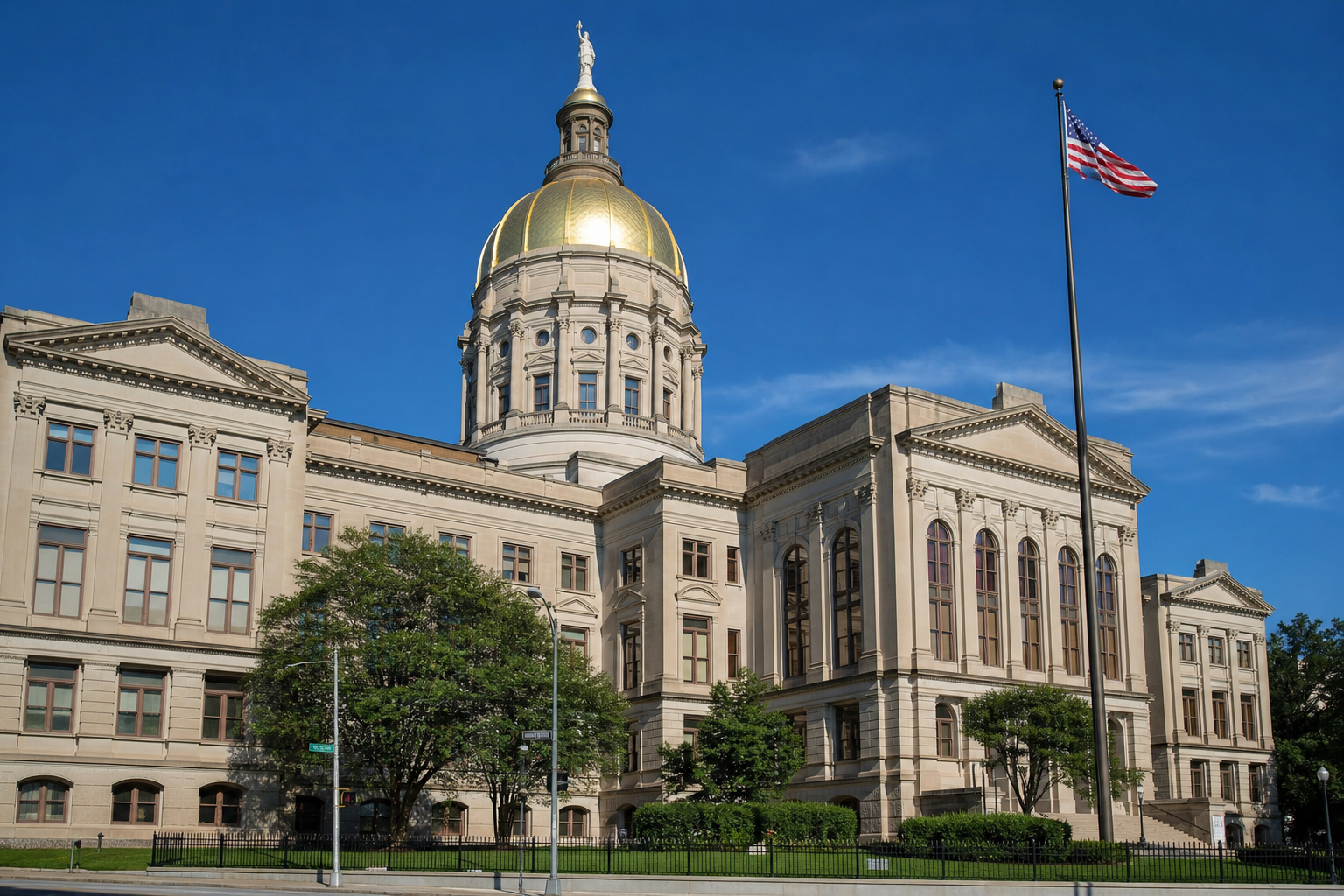
Georgia's Senate race has elevated energy policy and economic management to center stage, as candidates compete to offer voters credible solutions to rising costs and economic concerns.
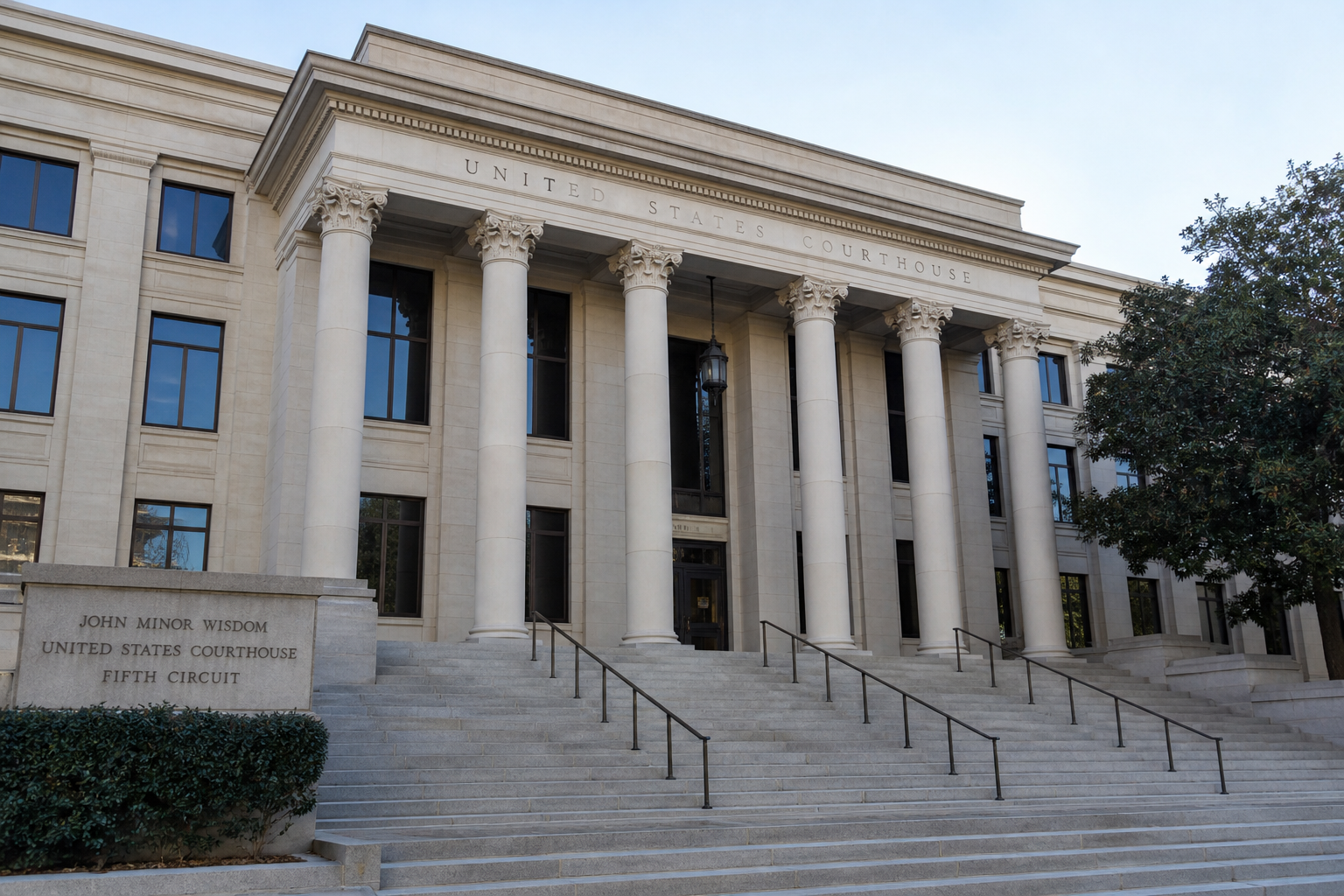
As immigration enforcement has tightened in recent years, federal courts have experienced measurable relief from overwhelming case backlogs, allowing judges to manage dockets more effectively and devote adequate time to all categories of cases.
Oregon's inconsistent prosecution of firearms crimes reveals how permissive enforcement policies undermine the rule of law, leaving regulations on paper while criminals operate with reduced risk.
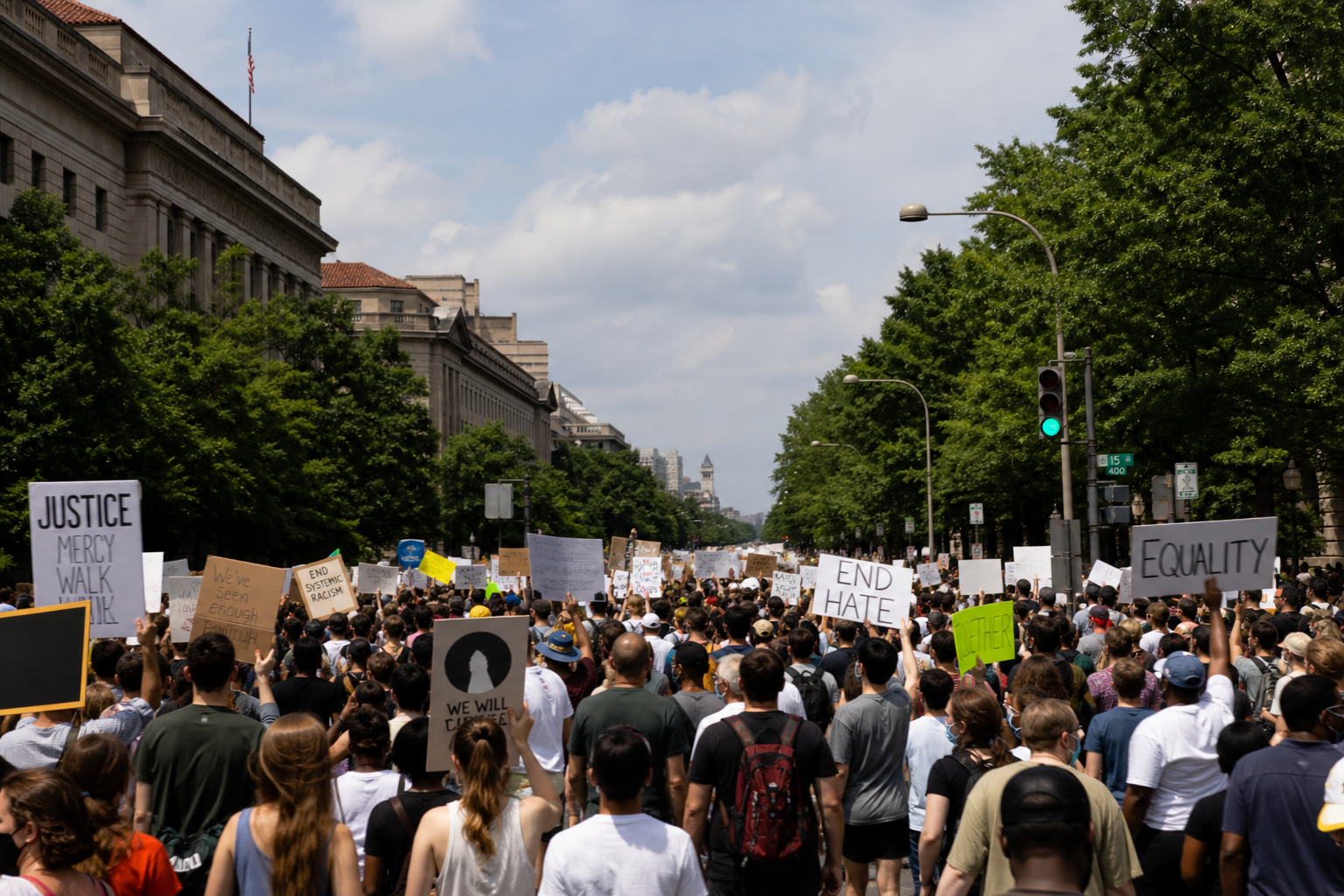
Understanding who funds America's protest movements—from wealthy philanthropies to foreign actors—is essential for evaluating their authenticity and democratic legitimacy. Conservatives should lead the call for transparency across the political spectrum.
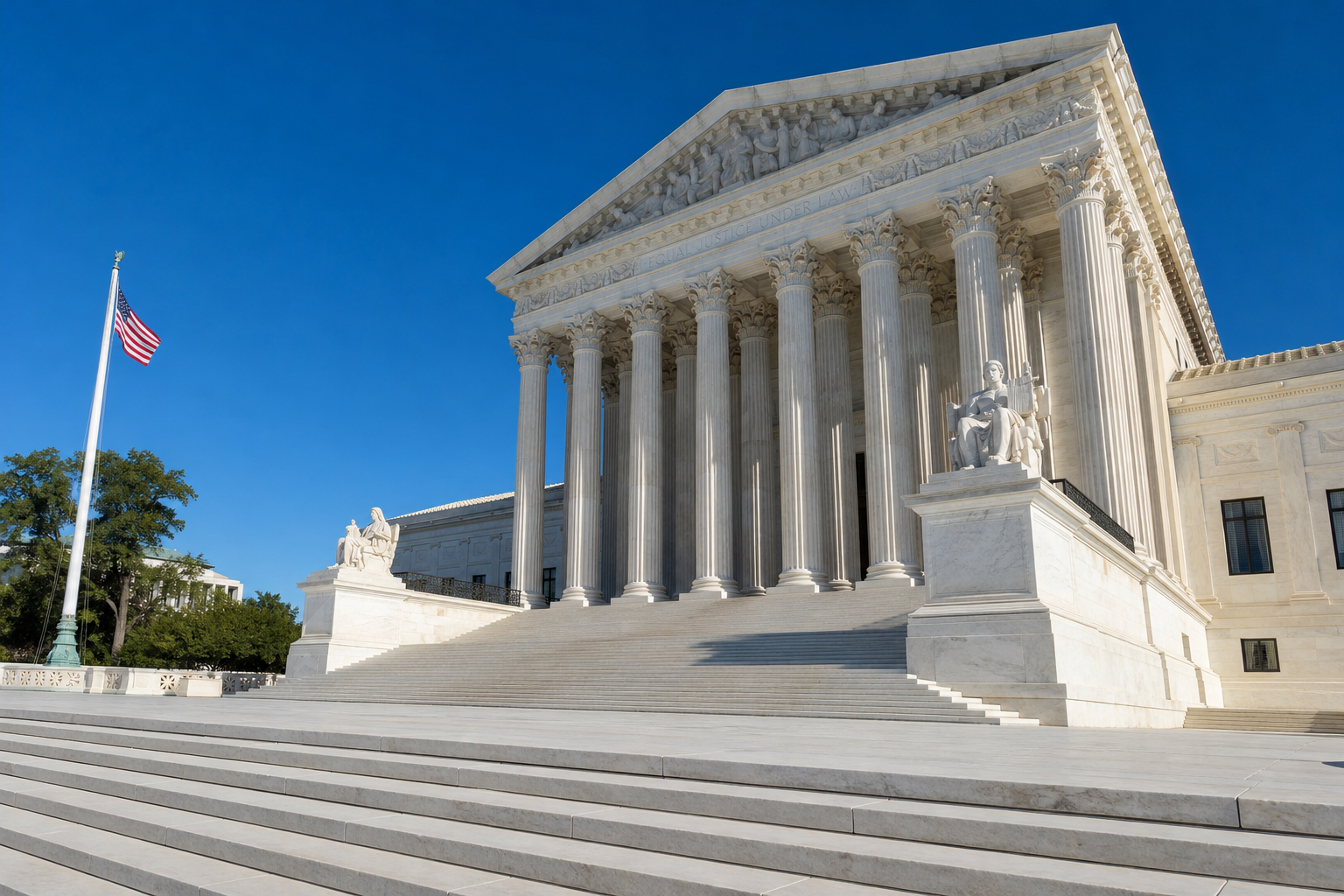
The Supreme Court has clarified that immigration judges cannot unilaterally shield individuals from deportation beyond what federal law permits, reinforcing constitutional limits on executive authority in immigration enforcement.