When a foreign leader becomes indicted in the United States for drug trafficking and terrorism, it forces a confrontation with fundamental questions about American sovereignty, international law, and the limits of judicial power. The pursuit of charges against authoritarian figures operating narco-states sits at the intersection of multiple competing interests: the rule of law at home, diplomatic relations abroad, and the practical ability to enforce American justice beyond our borders.
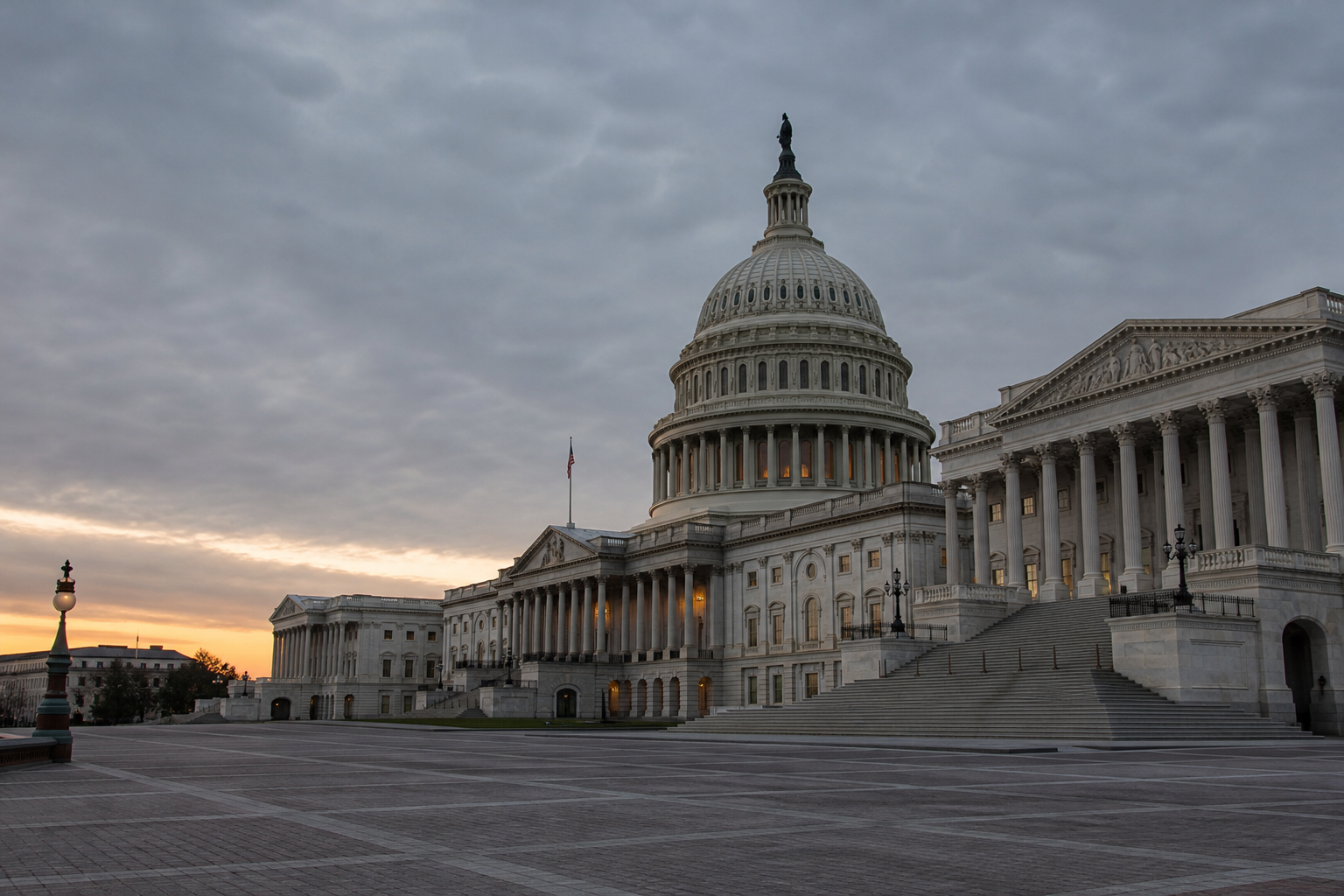
American institutions show signs of strain, but abandoning them would weaken the constitutional order itself. Serious conservatives should focus on patient institutional renewal rather than pursuing shortcuts around established structures.
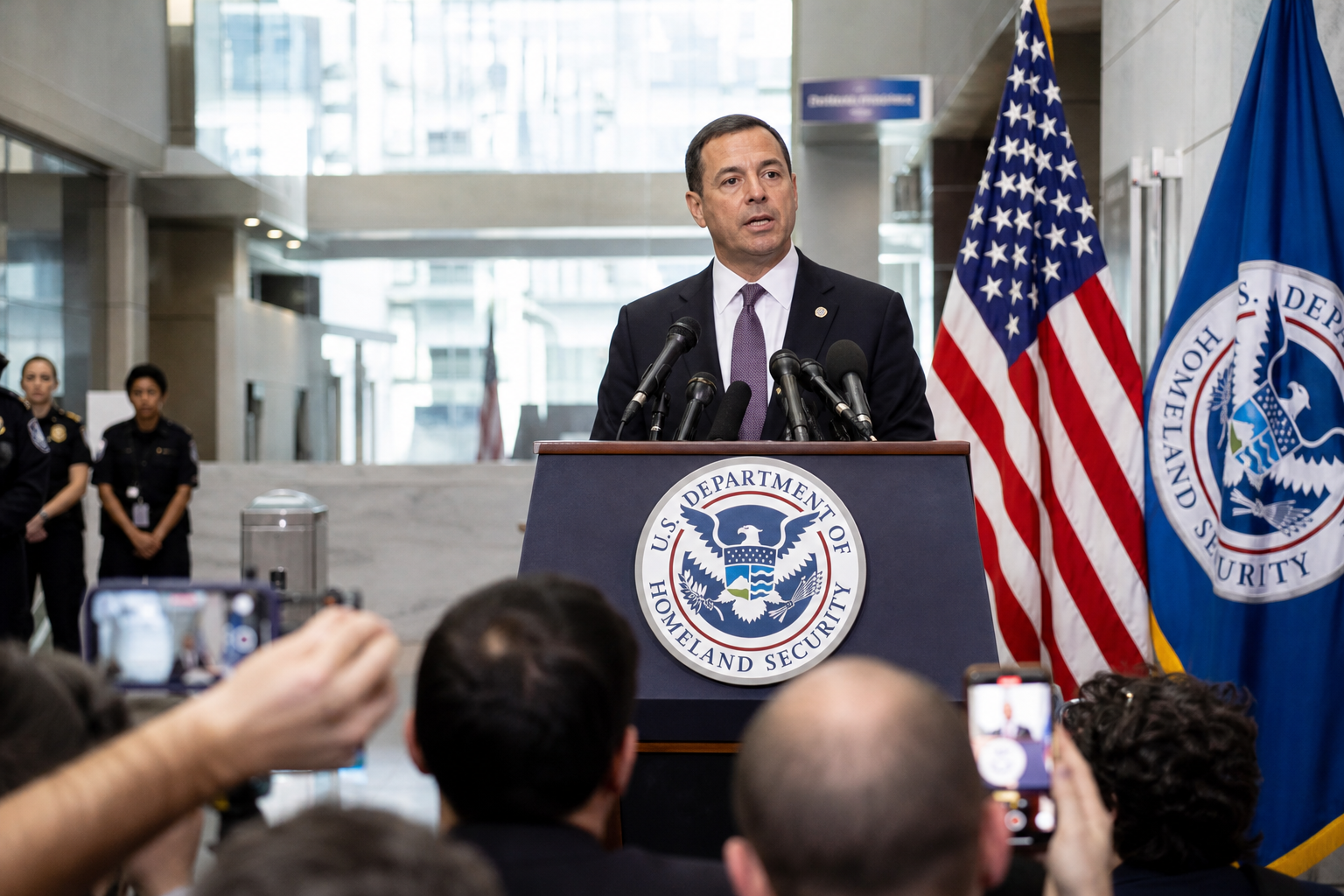
Federal law enforcement has documented cases in which individuals facing deportation used forged government identification credentials to evade immigration enforcement, exposing significant vulnerabilities in document verification systems.
Swift deportation of criminal aliens is a matter of public safety and consistent law enforcement, not politics. The federal government possesses clear authority to remove foreign nationals convicted of felonies and should exercise it.
Memphis's data center moratorium reveals how local governments often prioritize caution over economic growth, creating regulatory uncertainty that drives investment to competing communities.
Conservative analysis of Michigan Democratic candidates' policy positions reveals substantive disagreements over energy regulation, education authority, and criminal justice that merit rigorous public examination.