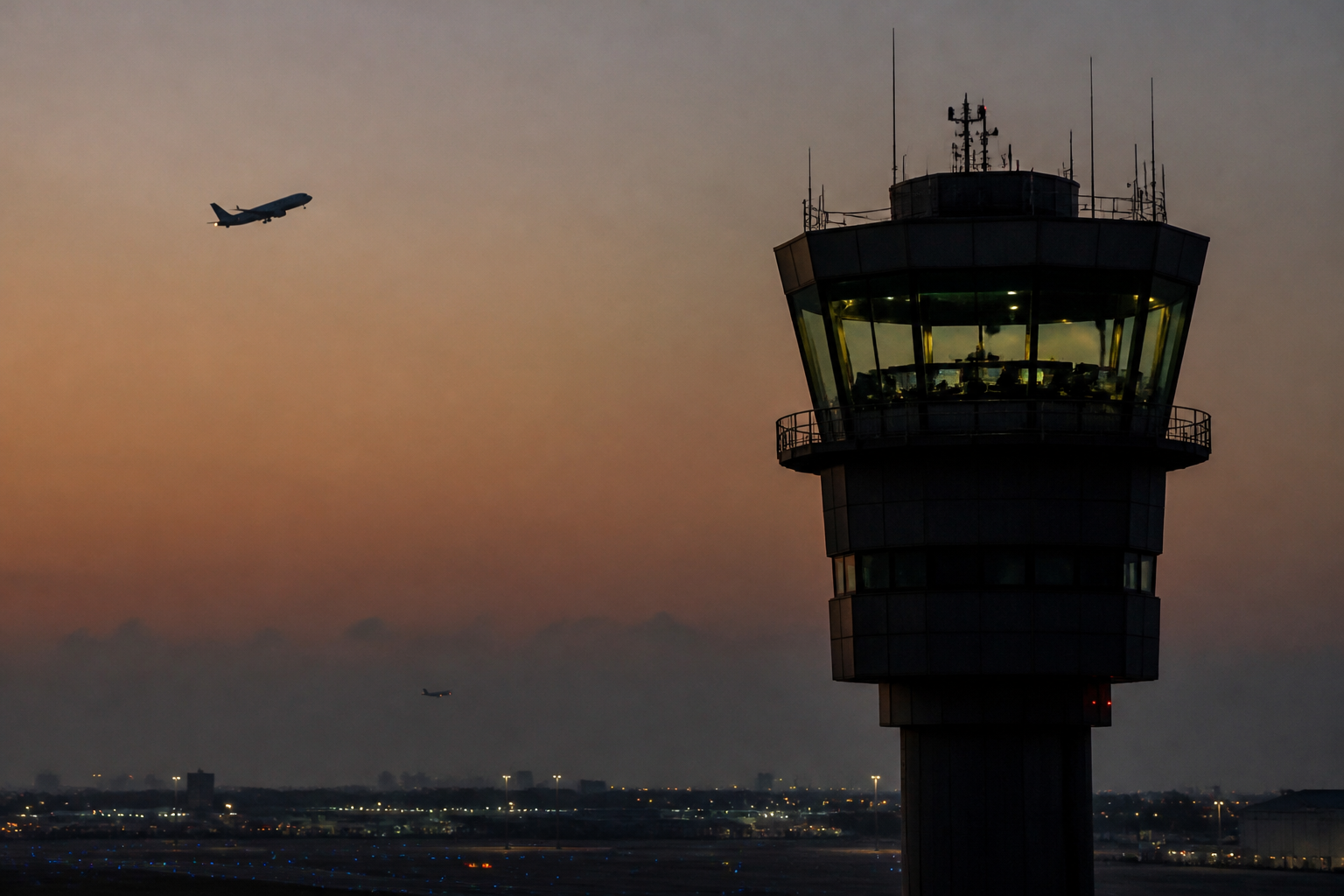
Last week's ground stop at American airports served as a sharp reminder of a fact that policymakers and citizens alike often prefer to ignore: the systems that undergird modern life are, in many cases, aging, underfunded, and more fragile than their apparent permanence suggests. When the Federal Aviation Administration issues a ground stop, the disruption is immediate and widespread. Thousands of flights are delayed or cancelled. Passengers miss connections. Commerce stutters. And for a brief, clarifying moment, the machinery that keeps the republic functioning becomes visible.
Congressional oversight of advanced semiconductor exports raises important questions about whether current regulations effectively protect national security while maintaining American competitive advantage in global technology markets.
A recent FAA ground stop exposed vulnerabilities in America's aging air traffic control infrastructure, raising questions about maintenance, modernization funding, and whether current governance structures are adequate to the task.
The Trump administration is demanding roughly $150 million in repayment from Los Angeles's homeless services agency over allegations of fraud and mismanagement, testing the limits of federal oversight and local accountability in managing federal grants.
Federal investigators have uncovered significant vulnerabilities in the safety guardrails of commercial AI chatbots, raising questions about whether company claims of security actually match their performance. The findings suggest a need for more rigorous testing and honest reporting on AI safety measures.
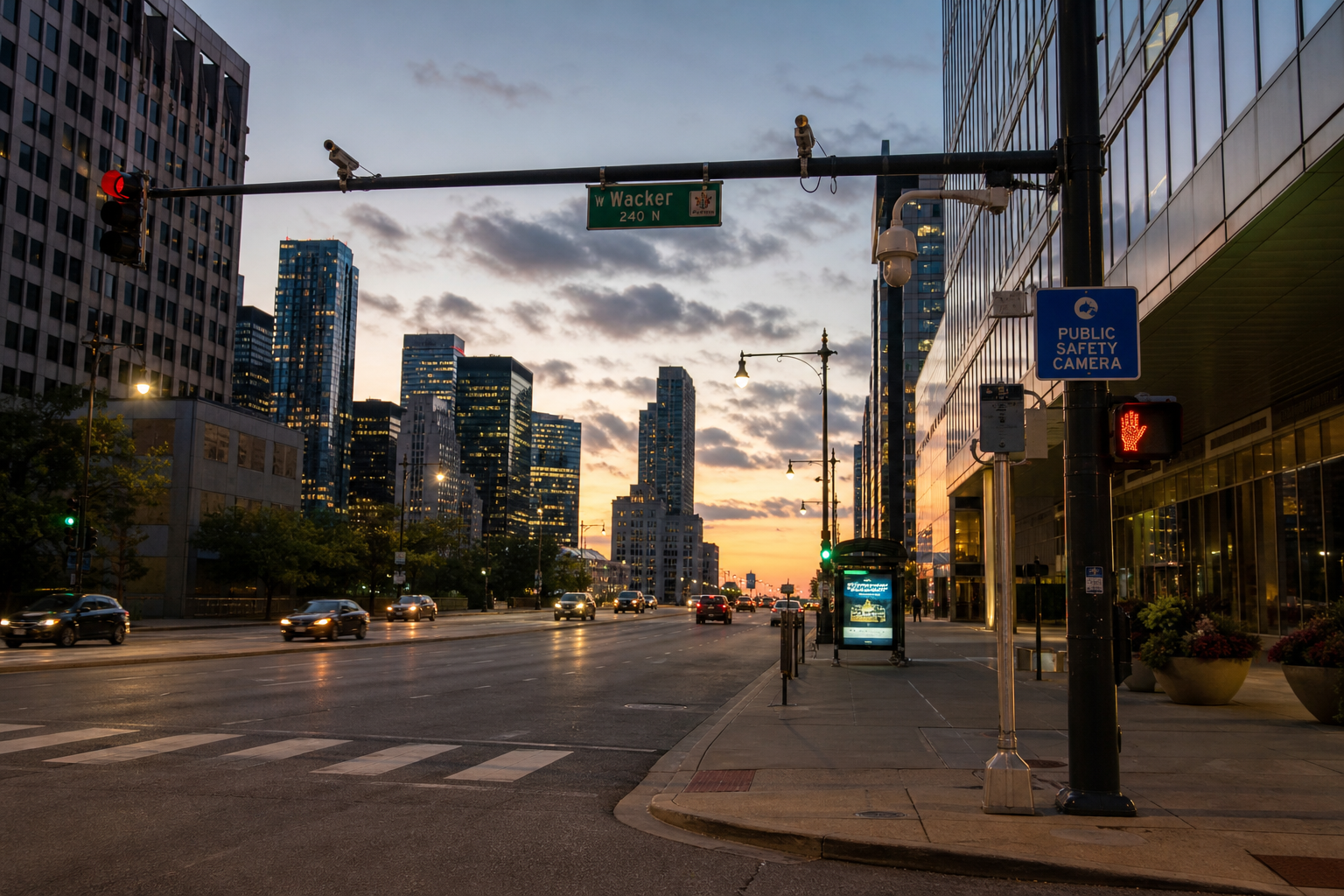
Seattle is reinstating surveillance cameras in high-crime areas after removing them, illustrating how cities must balance civil liberties concerns with public safety obligations — and what happens when policy does not align with ground-level reality.