Memphis recently found itself at the center of a debate that reveals a familiar pattern in American local governance: the collision between economic development opportunities and the exercise of regulatory authority. A proposed data center project became entangled in a municipal moratorium, exposing how well-intentioned caution can calcify into something closer to obstruction—and what that costs a community trying to compete in a modern economy.
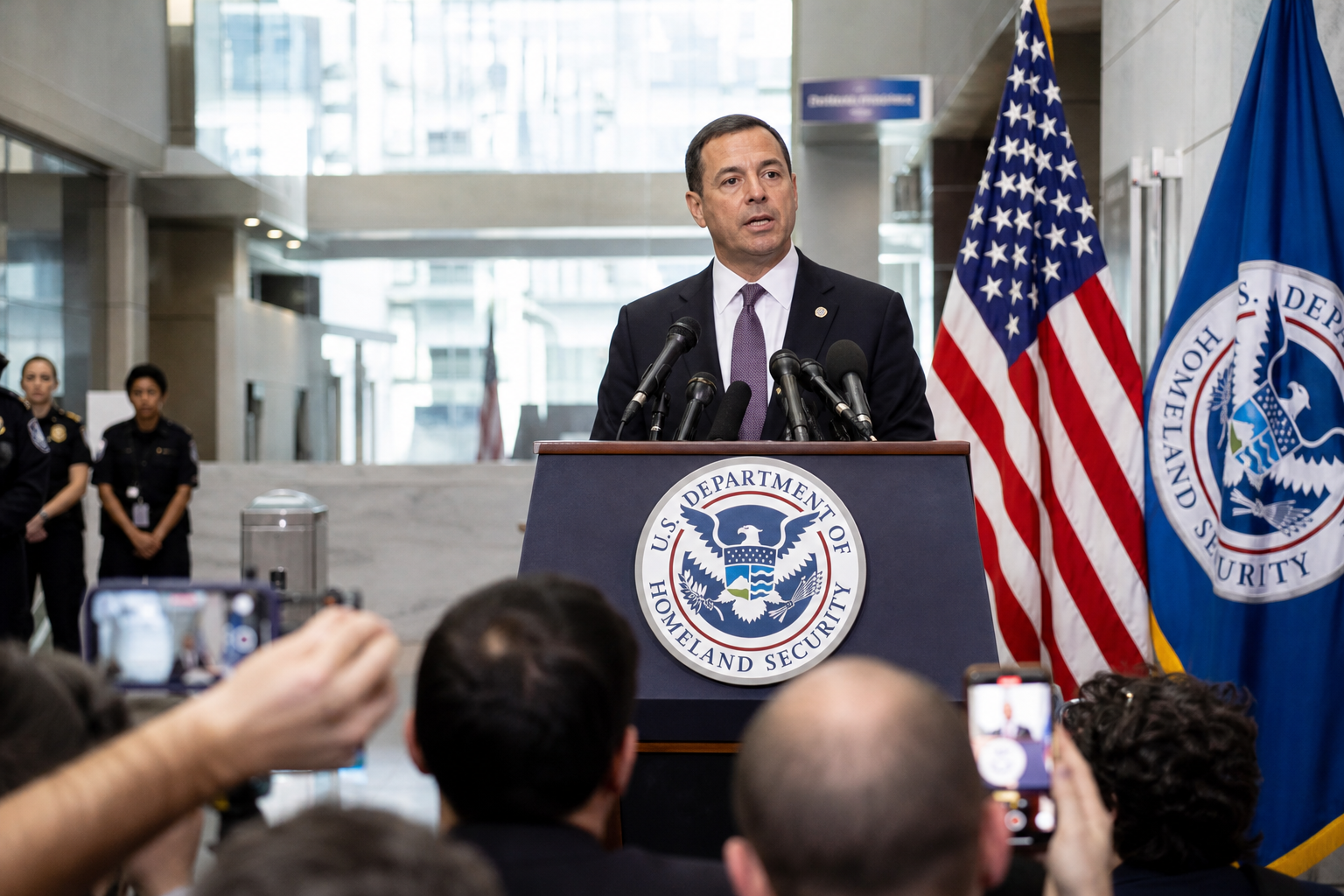
Swift deportation of criminal aliens is a matter of public safety and consistent law enforcement, not politics. The federal government possesses clear authority to remove foreign nationals convicted of felonies and should exercise it.
Memphis's data center moratorium reveals how local governments often prioritize caution over economic growth, creating regulatory uncertainty that drives investment to competing communities.
Conservative analysis of Michigan Democratic candidates' policy positions reveals substantive disagreements over energy regulation, education authority, and criminal justice that merit rigorous public examination.
A senior voice makes the case for defending Western civilization, raising serious questions about institutional solidarity and shared purpose among free nations. The conservative answer matters—but it requires clearer thinking than sweeping rhetoric provides.
A forthcoming Supreme Court decision on immigration detention could impose new procedural limits on how long and under what circumstances immigration authorities can hold individuals pending removal proceedings, with significant implications for federal enforcement operations.