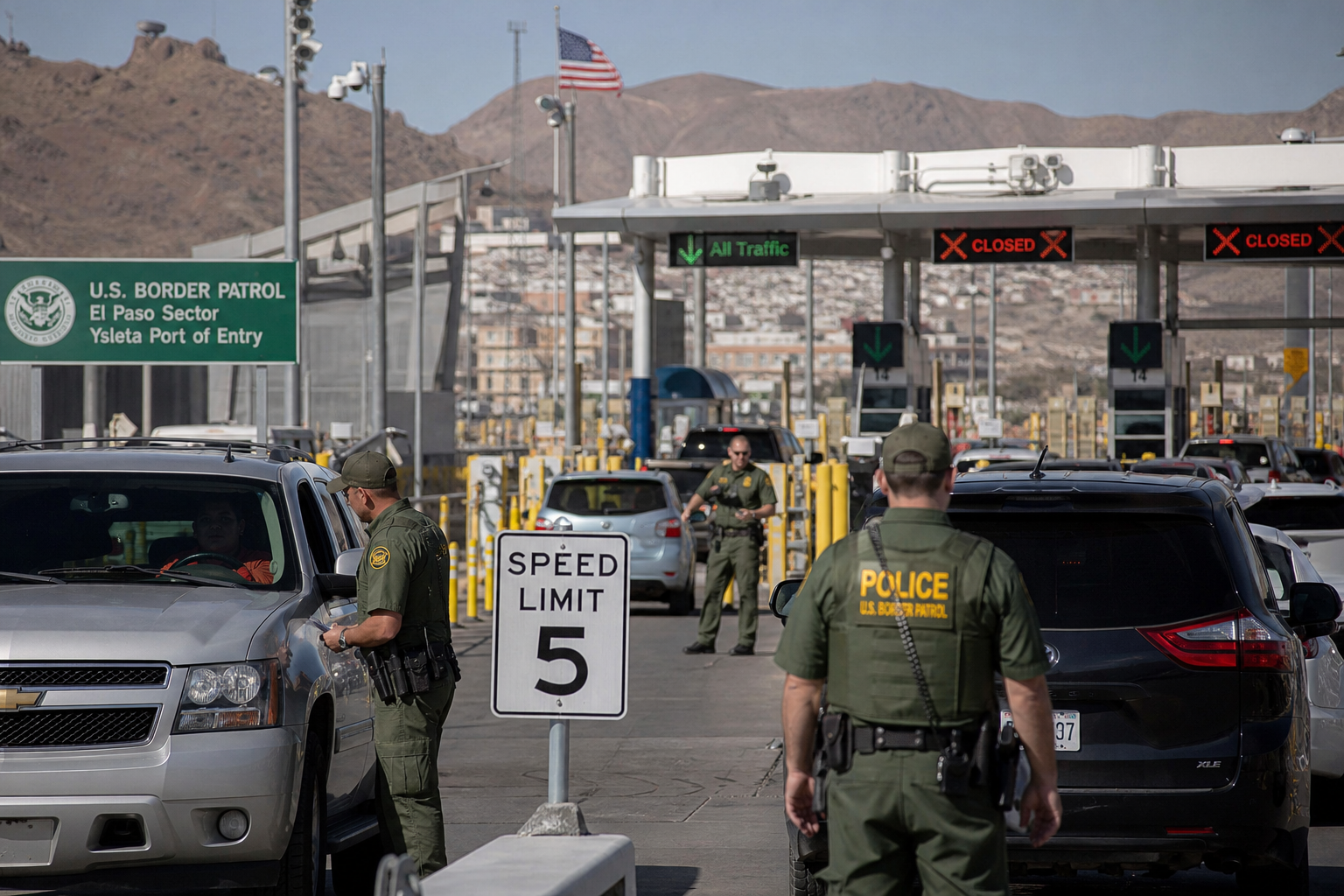
The Supreme Court has agreed to take up a question that sits at the intersection of constitutional protections and immigration enforcement: whether detained individuals who are in the country illegally have a constitutional right to a bond hearing before the government can hold them indefinitely while deportation proceedings unfold.
Criminal networks are exploiting gaps in immigration and border enforcement systems to move illicit proceeds and expand their operations. Addressing this requires institutional reform and better coordination between agencies, not partisan rhetoric.
Federal authorities have dismantled a major money laundering operation in which an undocumented immigrant used an Oregon clothing store to funnel approximately $34 million in cartel drug proceeds, revealing vulnerabilities in immigration enforcement and financial compliance systems.
A China-linked activist network attempted to block a Maryland data center project by hijacking the local petition process, revealing vulnerabilities in how American communities distinguish authentic civic participation from coordinated foreign influence operations.
A Washington State prison settlement highlights the ongoing policy challenge of balancing inmate safety, humane treatment, and institutional decision-making in corrections systems navigating complex classification issues.
House Republicans voted to reject an impeachment effort against the Defense Secretary, reaffirming the principle that impeachment should remain an exceptional remedy rather than a routine political tool. The vote reflects important questions about congressional oversight and the proper limits of partisan conflict.