Every administration that takes office faces questions about how many foreign workers should enter the American labor market through official channels. The Trump administration's renewed push to tighten rules around work visas—particularly the H-1B program and related categories—has reignited a debate that touches on economics, labor policy, and the role of government in shaping workforce composition.
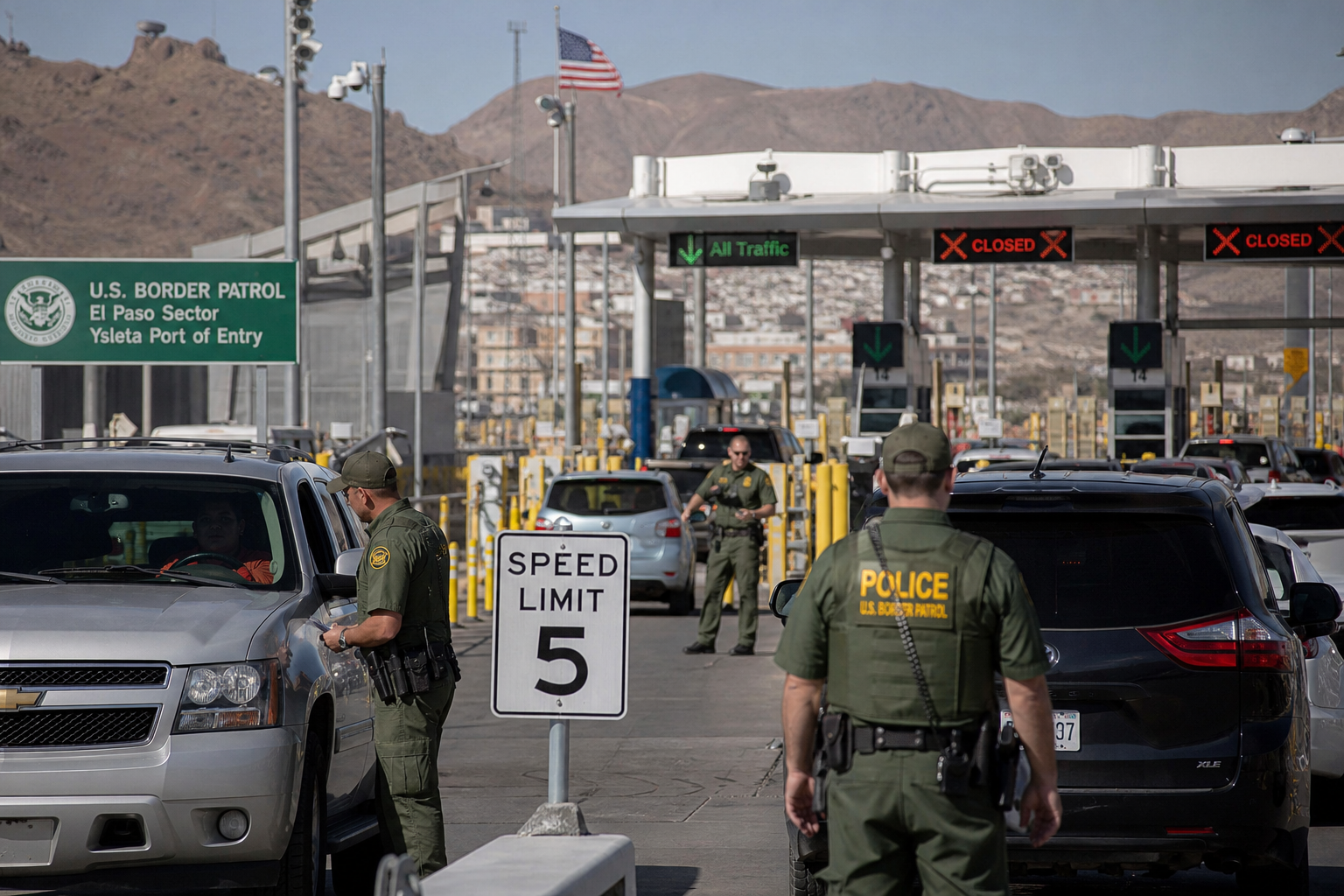
Criminal networks are exploiting gaps in immigration and border enforcement systems to move illicit proceeds and expand their operations. Addressing this requires institutional reform and better coordination between agencies, not partisan rhetoric.
Federal authorities have dismantled a major money laundering operation in which an undocumented immigrant used an Oregon clothing store to funnel approximately $34 million in cartel drug proceeds, revealing vulnerabilities in immigration enforcement and financial compliance systems.
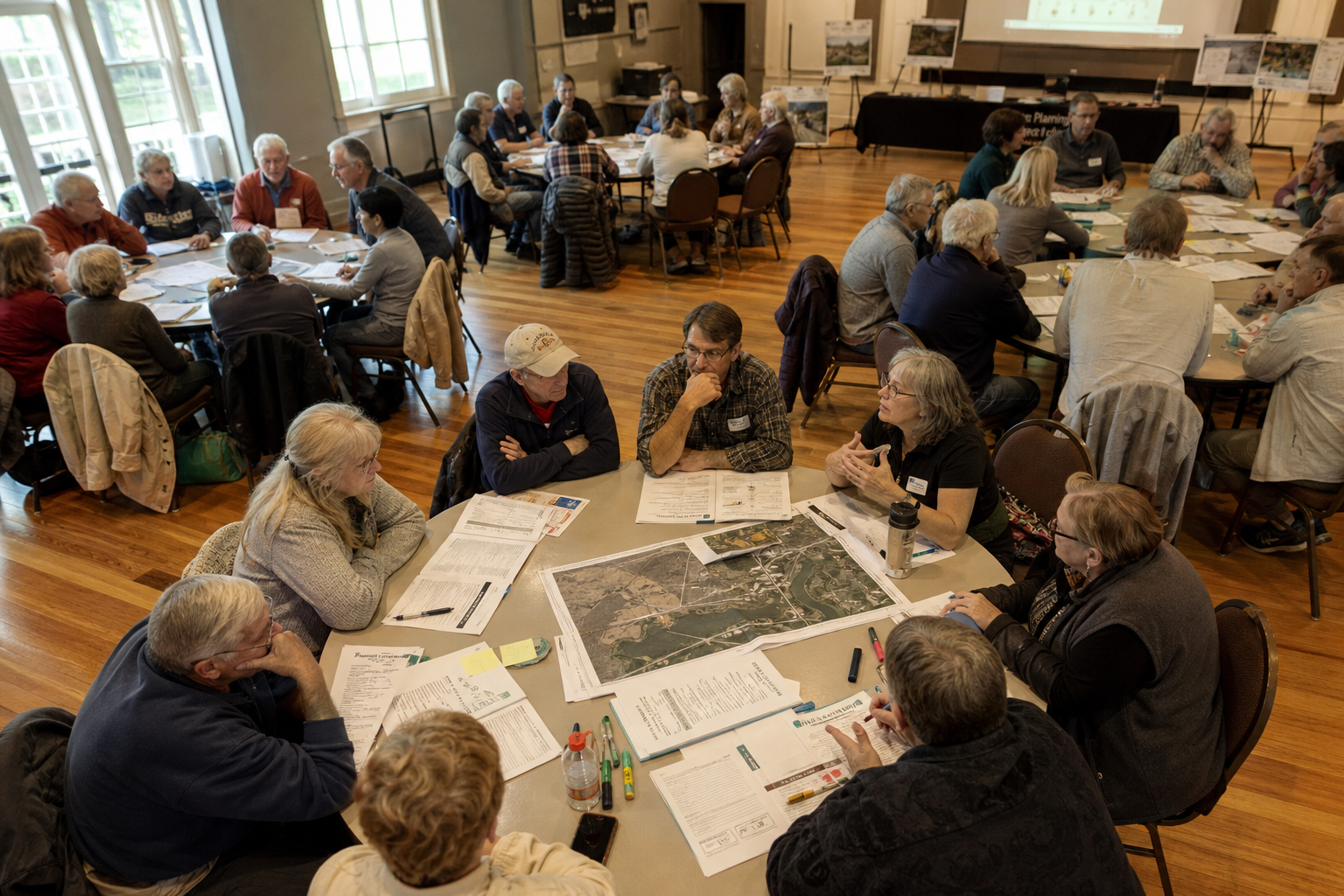
A China-linked activist network attempted to block a Maryland data center project by hijacking the local petition process, revealing vulnerabilities in how American communities distinguish authentic civic participation from coordinated foreign influence operations.
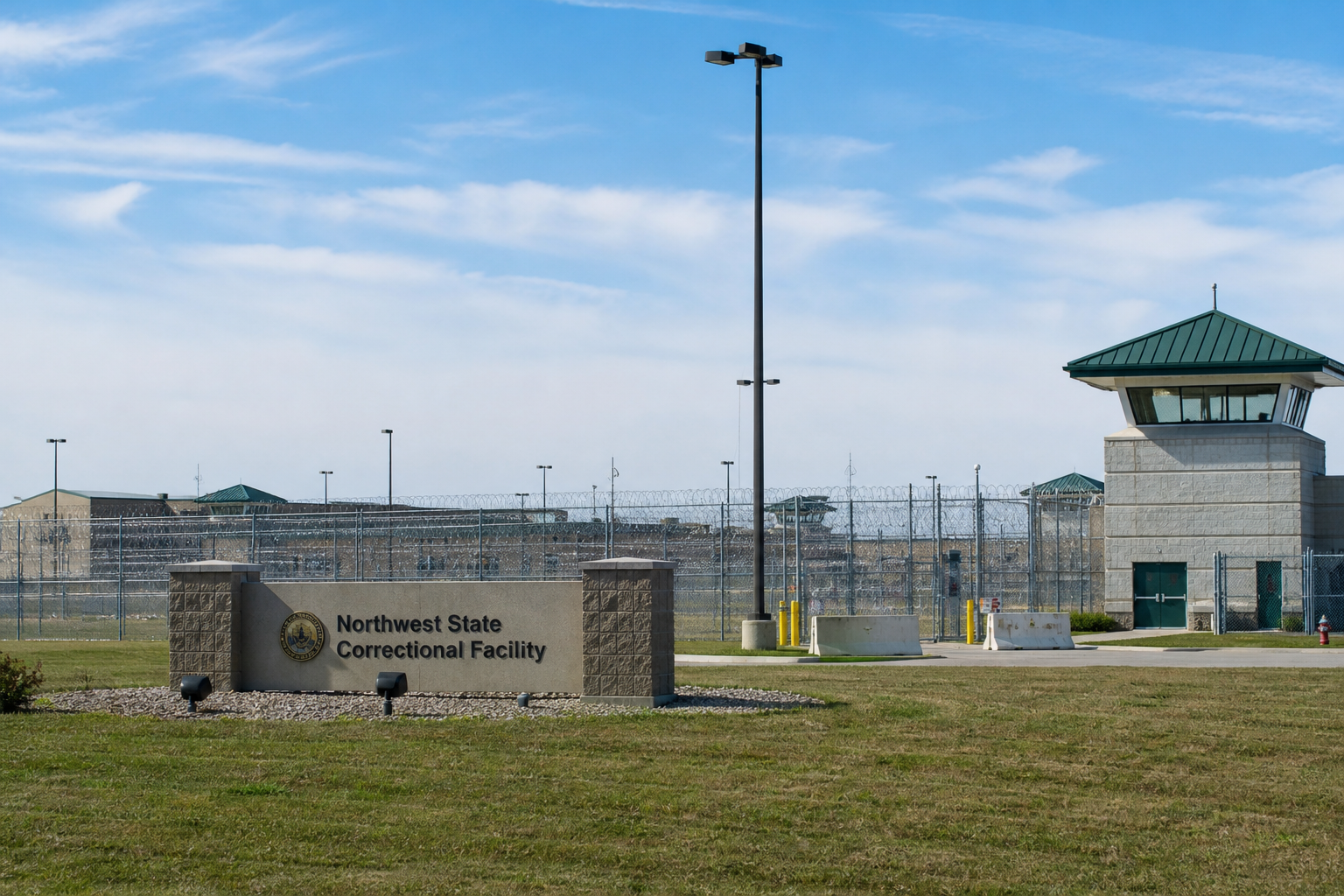
A Washington State prison settlement highlights the ongoing policy challenge of balancing inmate safety, humane treatment, and institutional decision-making in corrections systems navigating complex classification issues.
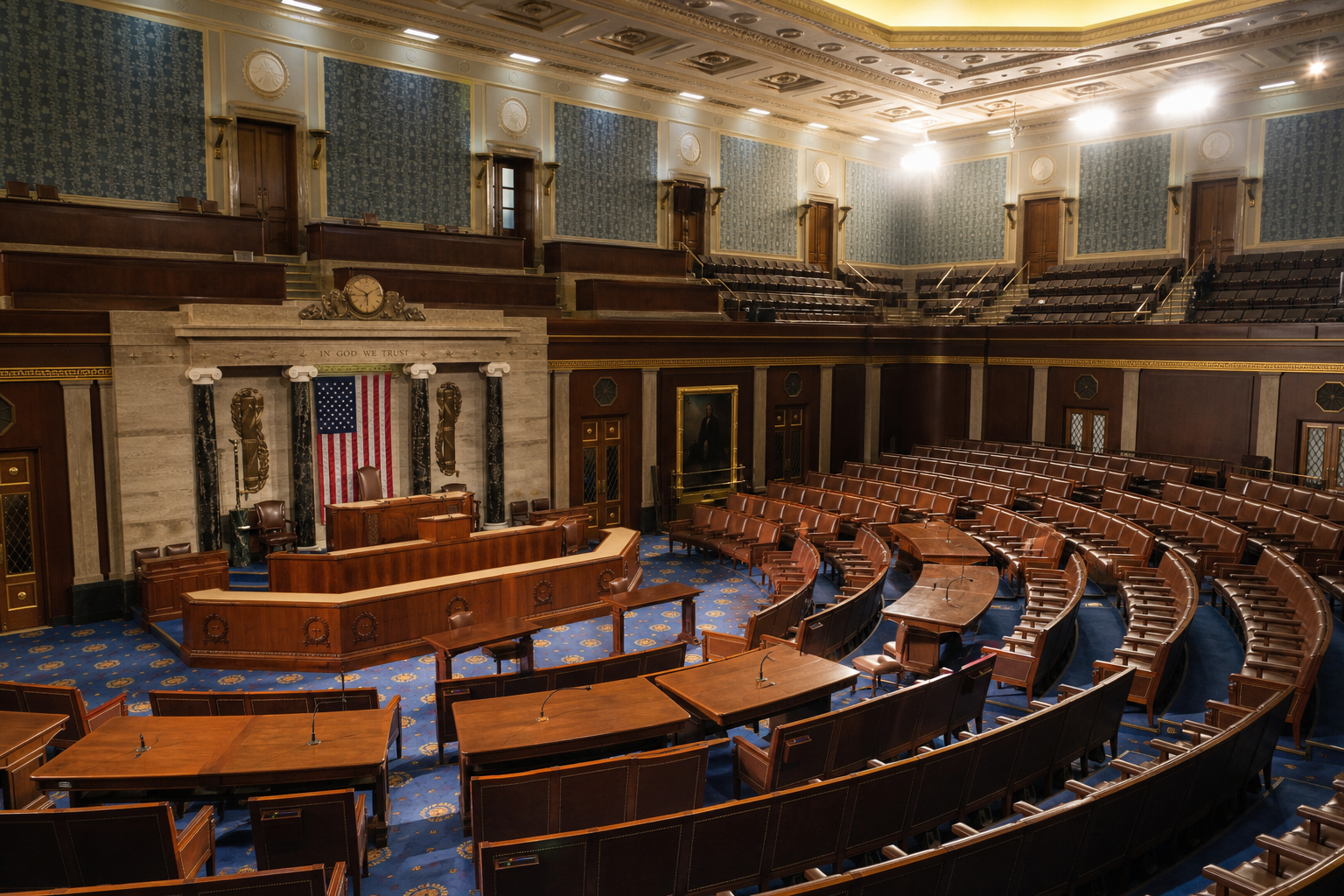
House Republicans voted to reject an impeachment effort against the Defense Secretary, reaffirming the principle that impeachment should remain an exceptional remedy rather than a routine political tool. The vote reflects important questions about congressional oversight and the proper limits of partisan conflict.